


Cart
0

No products found
Use fewer filters or clear all
Now available at Gunreben.de in the usual top quality:
Wood Decking Boards
Our wood decking boards bring the natural effect of genuine wood surfaces to your patio, balcony, and garden. They combine a vibrant appearance with a pleasant feel underfoot and are well-suited for outdoor areas that should look high-quality, inviting, and natural.
Each board displays its own grain, its own play of colors, and the typical structure of natural timber. Various wood species and profiles allow for a perfect match with the house, garden furniture, and desired patio effect – from light and friendly to bold and expressive.
Overview: All Decking Boards For installation, fastening, and care:
Wood Decking Accessories | Substructure | Terrace Pads | Wood Floor Oil
Advantages of Wood Decking Boards
-
Genuine Wood
Every board displays unique grain, color variations, and natural texture. This creates a terrace with a natural surface rather than a uniform imitation. -
Many Design Options
From light Douglas fir and warm larch to darker hardwoods, you can find the perfect match for various garden and house styles. -
Natural Terrace Effect
Wood boards create a homely atmosphere in outdoor areas. The grain, color variations, and texture give patios, seating areas, and gardens a lively, natural look.
-
Selectable Surface Texture
Smooth boards look calm and uniform, while profiled boards have a more structured appearance. This allows you to choose the board look that best suits your desired aesthetic. -
For a Long-Lasting Wood Terrace
With the right substructure, professional fastening, and regular care, you can create a robust wooden terrace that will last for many years.
Wood Species & Surface
Wood decking boards differ significantly in their effect depending on the wood species, profile, and surface. Light woods usually look calmer and friendlier, while heavily grained or darker woods appear more striking. The profile also alters the look of the boards – from smooth and understated to more highly structured.
Because wood reacts to sun, rain, and temperature in outdoor environments, color changes and natural patina are an inherent part of the material. Those who wish to maintain the original color tone for longer should plan for care and maintenance from the very beginning.
Select Wood Decking Boards by Wood Species
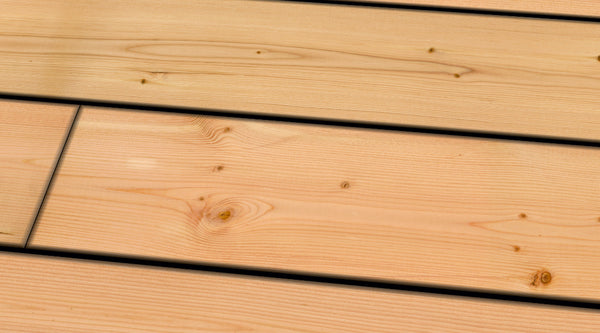
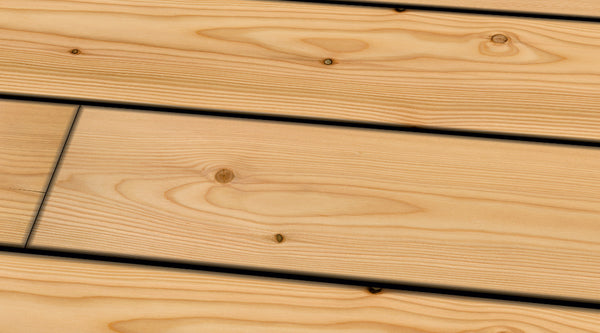
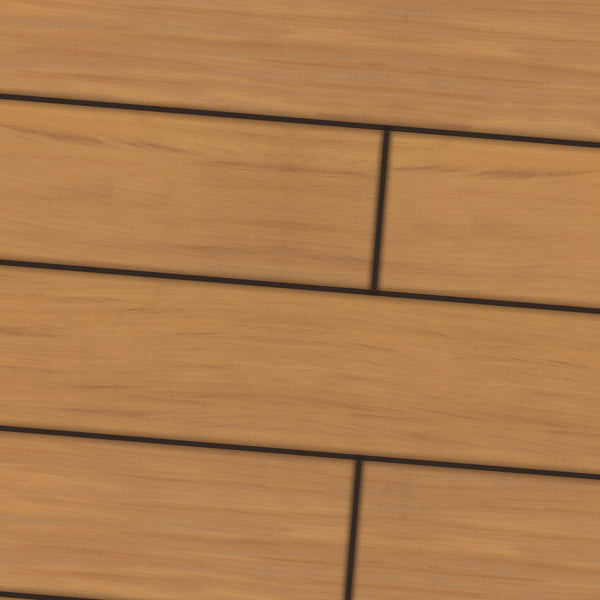
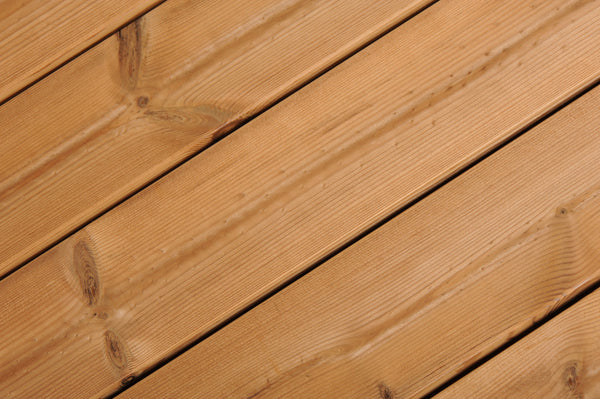
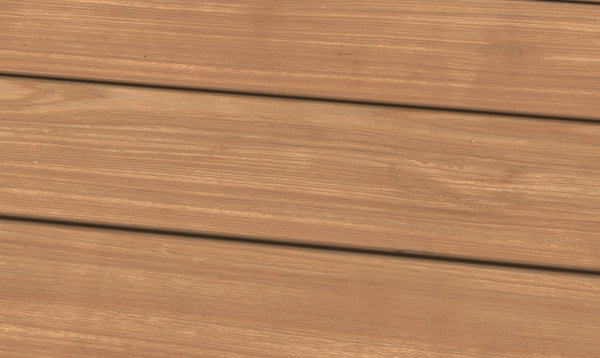
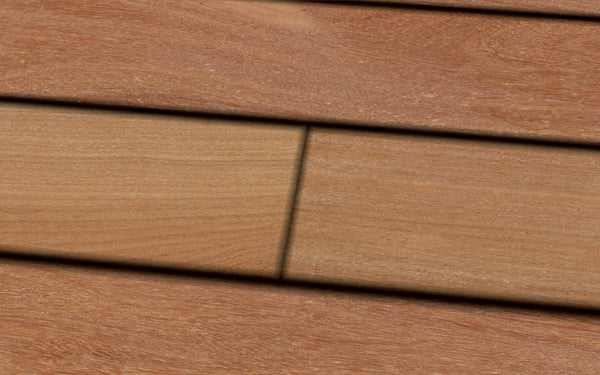
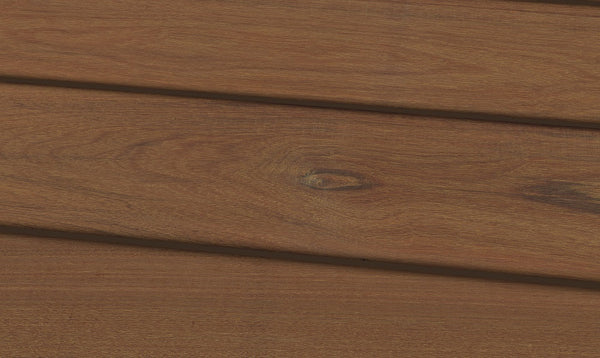
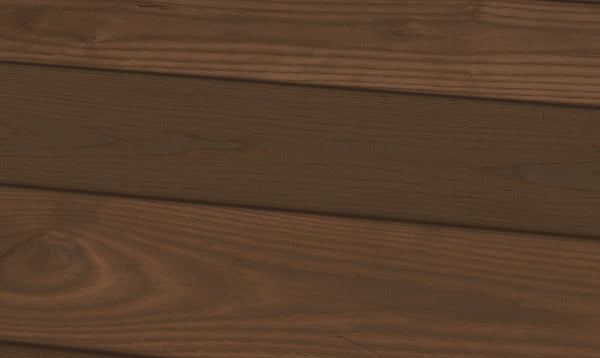
The wood species defines not only the color of the terrace but also the grain, feel, and maintenance requirements. The selection ranges from lighter, calmer woods to denser and darker decking woods with a more striking effect.
Lighter wood species Darker wood species
Select Wood Decking Boards by Surface
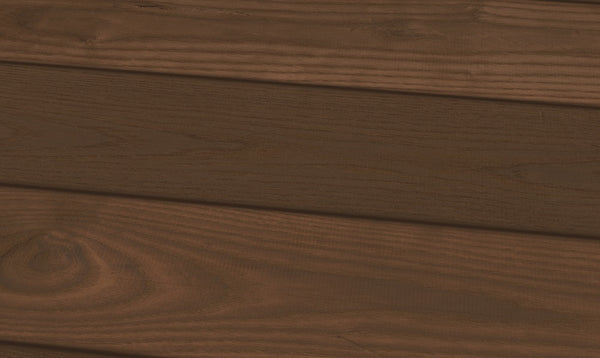
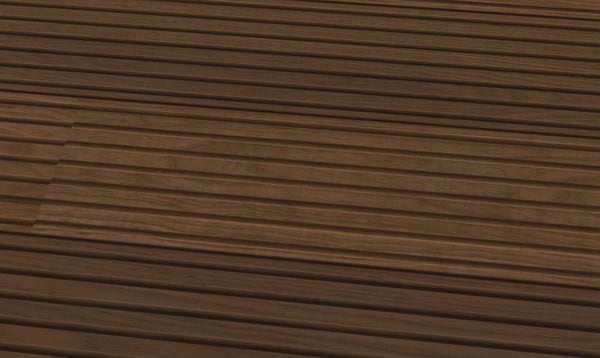
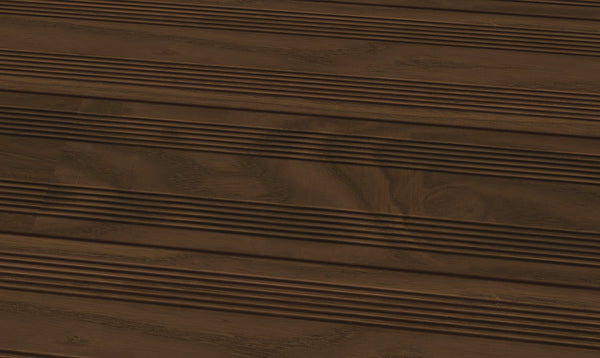
The surface profile influences the lines, the feel when walking, and the cleaning of the terrace. We offer smooth, cambered, and profiled variations such as grooved, fluted, or French-style.
Smooth & Cambered Profiled & Structured

Technical Planning Advice
For a long-lasting wooden terrace, the substructure, fastening, and water drainage should be planned early. The surface must be load-bearing, moisture should be able to drain away reliably, and the gaps between the boards must be appropriate for the wood species and expected future load.
For denser terrace woods, suitable screws, clean edge distances, and, if necessary, pre-drilling are important so that the boards can be fastened with minimal tension. The appropriate substructure should also be matched to the wood species, board thickness, and installation height.
Wood changes in outdoor environments due to sun, rain, and weathering. Without regular care, a silvery-grey patina develops over time; with suitable deck oil, the original color tone can be preserved for longer.
Tip: If you prefer a lower-maintenance terrace with a splinter-free surface and a uniform appearance, WPC decking boards might be a suitable alternative. If a natural wood surface, grain, and the typical aging behavior of real wood are important to you, then wood decking boards remain the right choice.
FAQ on Wood Decking Boards
Answers regarding wood species, surfaces, installation, fastening, care, and the natural aging behavior of wood decking boards.
Wooden decking boards are available in materials including Bangkirai, Cumaru, Douglas fir, Garapa, Ipe, Larch, Thermo Ash, and Thermo Pine. The wood species influences the color, grain, hardness, durability, and maintenance requirements.
Very dense hardwoods such as Bangkirai, Cumaru, or Ipe are well-suited for heavily used terraces. Garapa, Larch, Douglas fir, and thermally treated woods can also result in long-lasting outdoor surfaces if installed professionally.
Smooth decking boards have a cleaner, more understated look and are generally easier to clean. Profiled boards, such as ribbed, grooved, or French-style varieties, show more texture and create a more structured terrace appearance.
Important factors include a stable foundation, a suitable substructure, adequate ventilation, professional fastening, and a design that allows for proper water drainage. This ensures the terrace remains usable for a long time.
You can find suitable products under Substructure, Deck Supports, and Wooden Decking Accessories.
Wood used outdoors changes due to sun, rain, and weathering. Without regular maintenance, a silver-gray patina will develop over time; the original color tone can be preserved for longer with suitable deck oil.
You can find suitable maintenance products under Wood Floor Oil.
Wood is a natural material and reacts to UV radiation, moisture, and weathering. As a result, the surface changes over time. This change is normal and is part of the natural aging process of wood used outdoors.
