


Cart
0

-
-
-
-
-
-
-
-
-
-
-
-


-
-
-
-
-
-
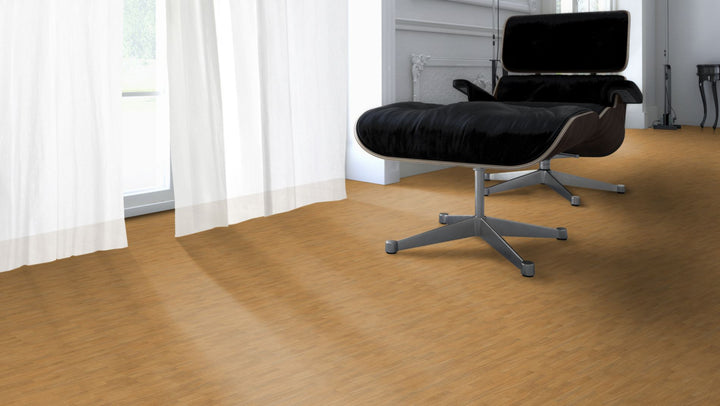
-
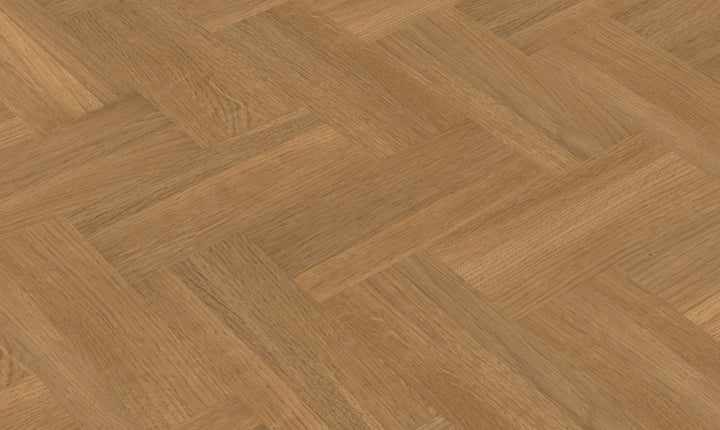
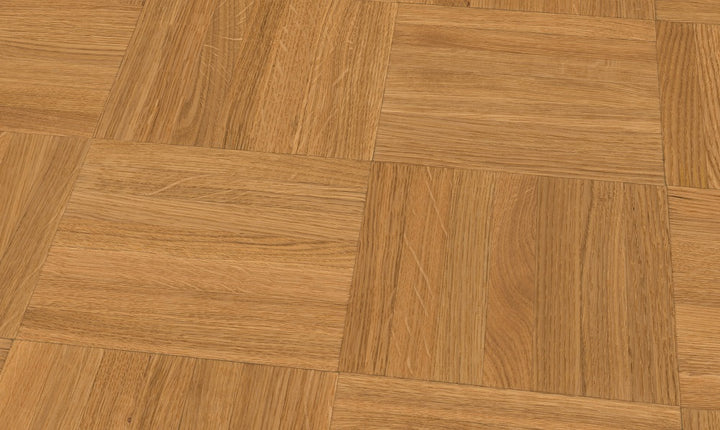
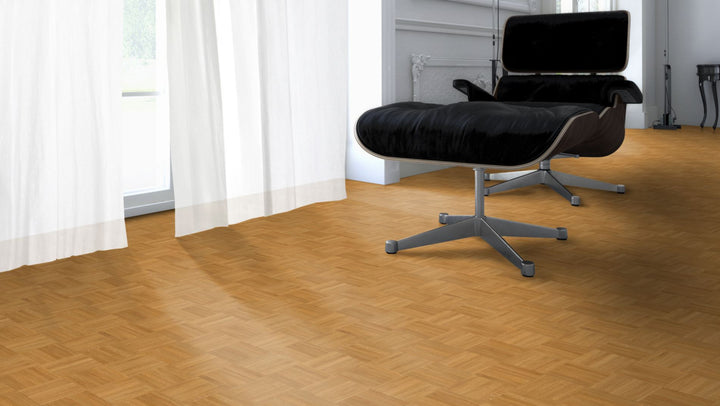
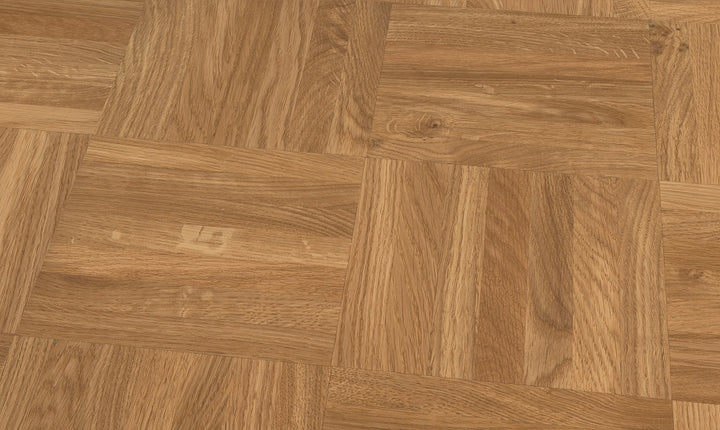
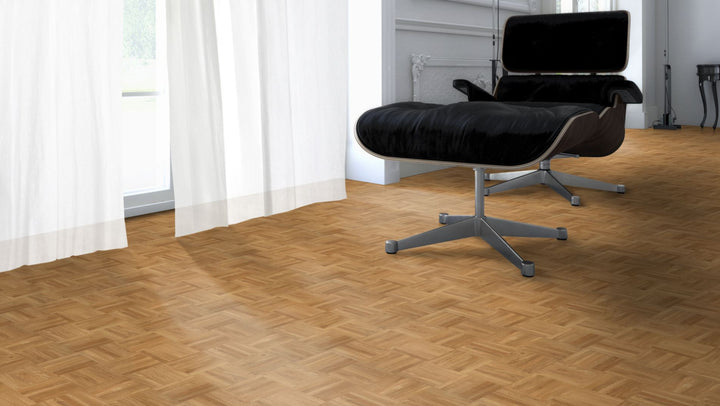
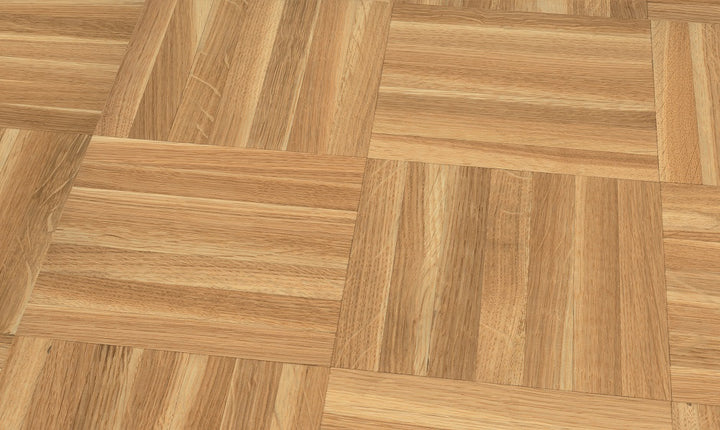
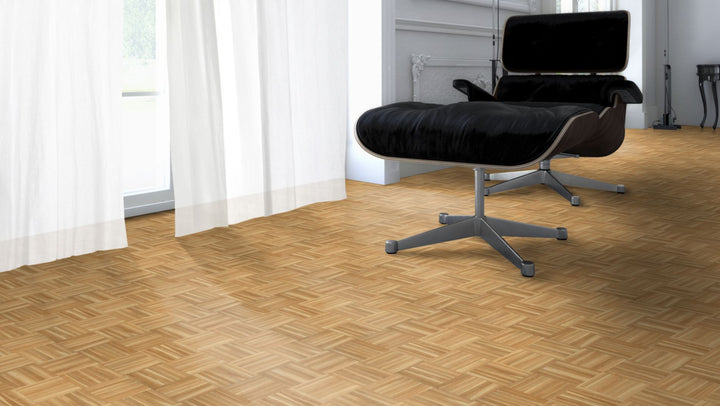
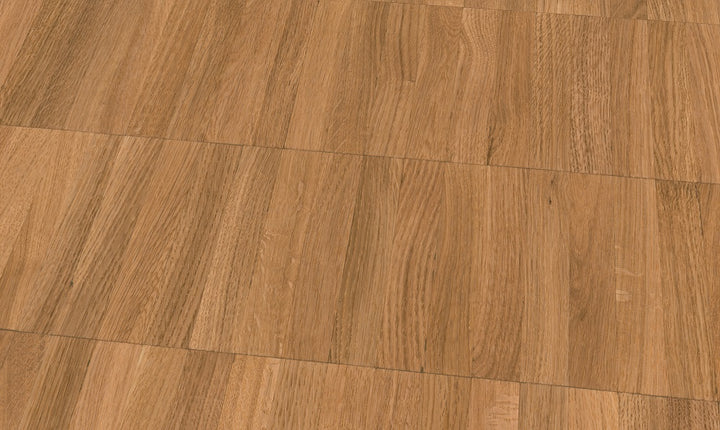
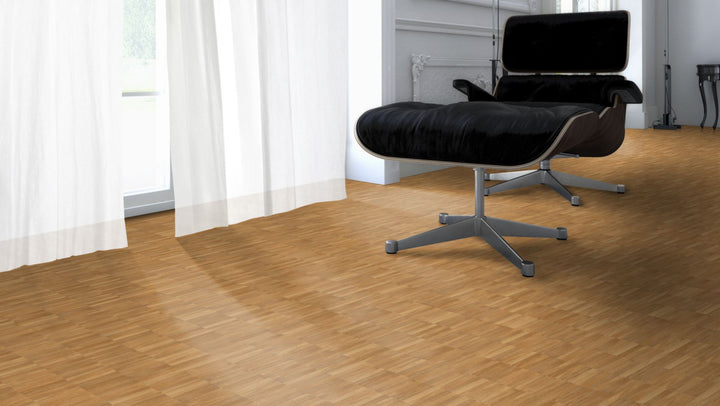
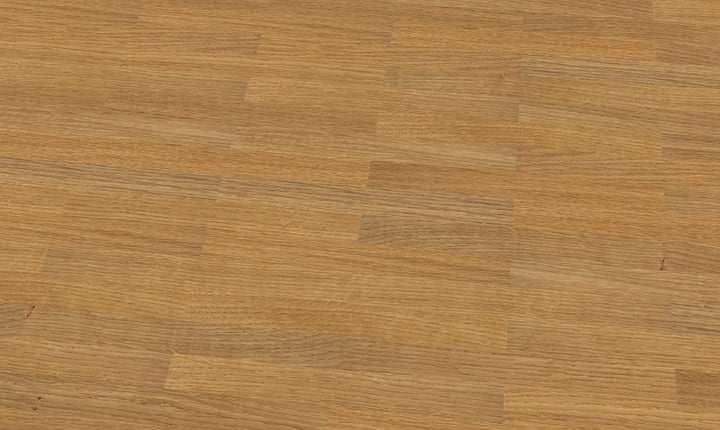
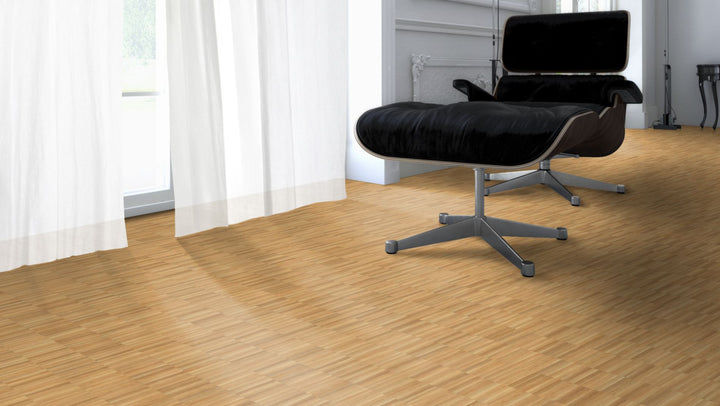
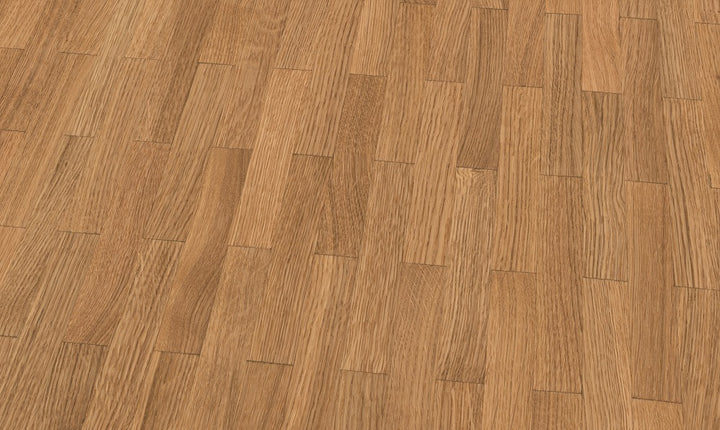
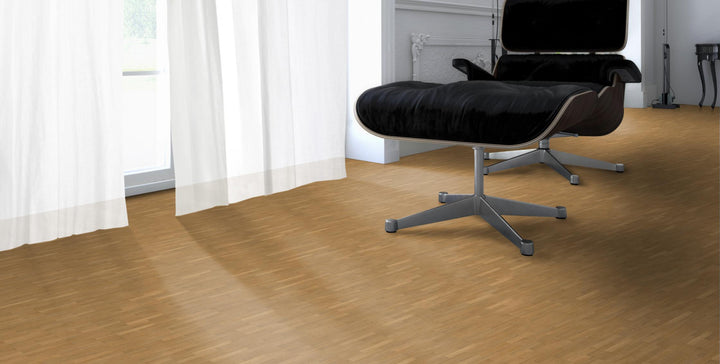
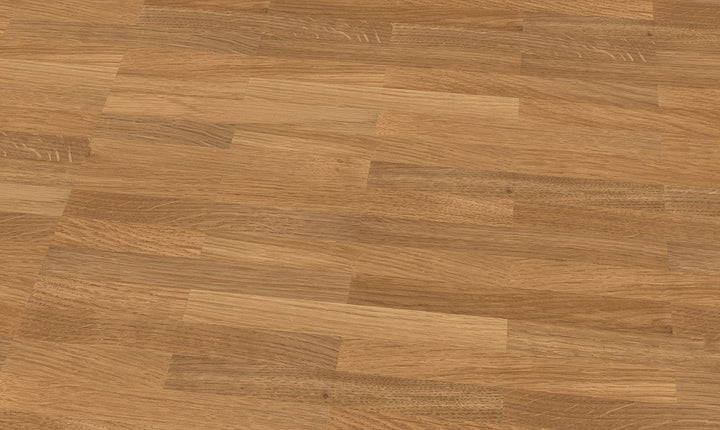
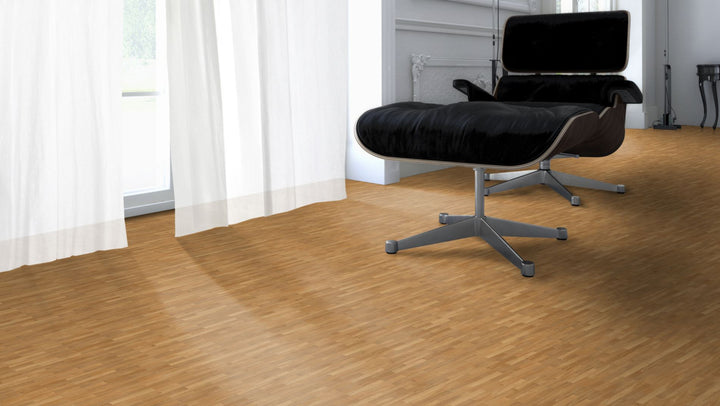
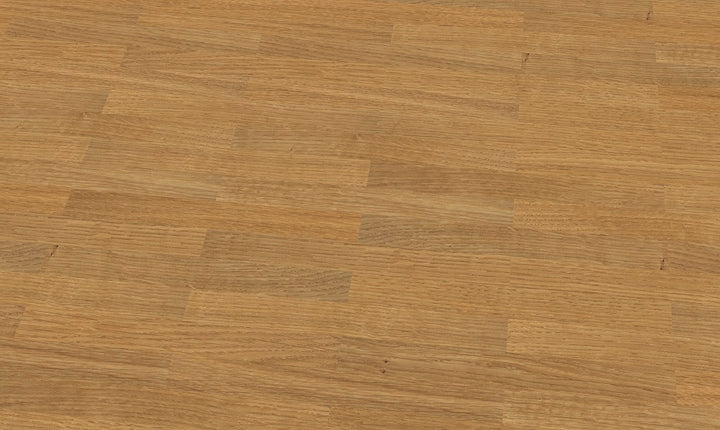
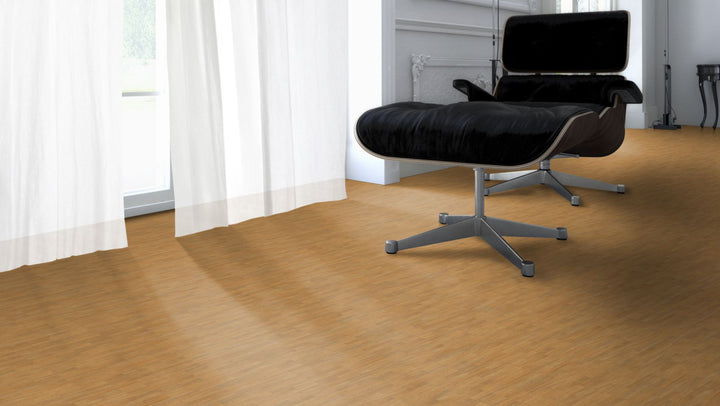
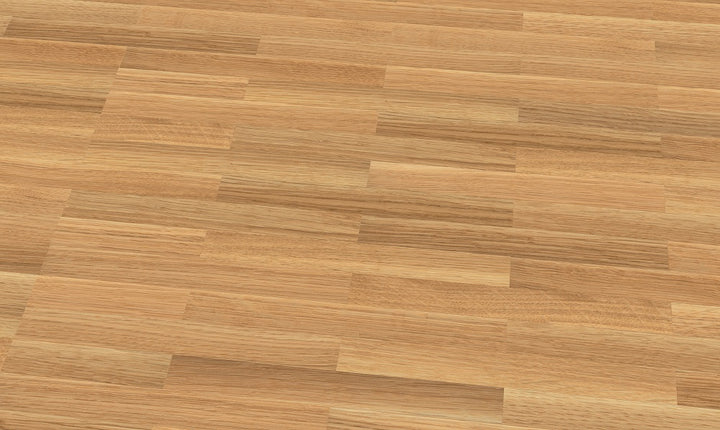
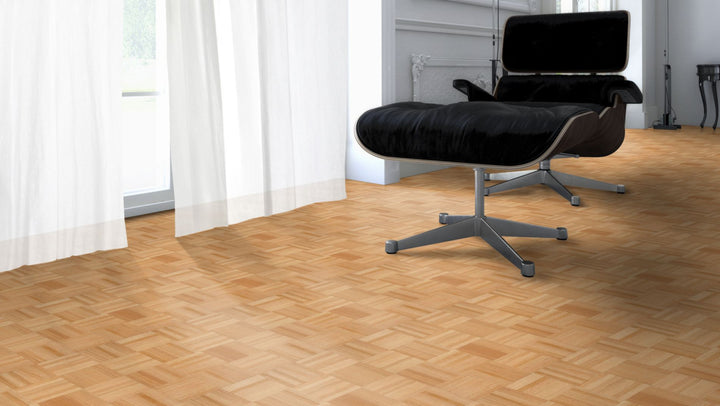
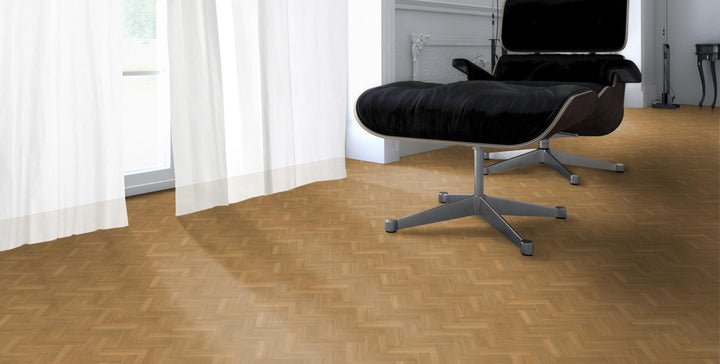 Gunreben-Parkett Oak Natural/Select Mosaic Parquet 3-finger HerringboneRegular price €99,73€37,85 /m2
 -
-
-

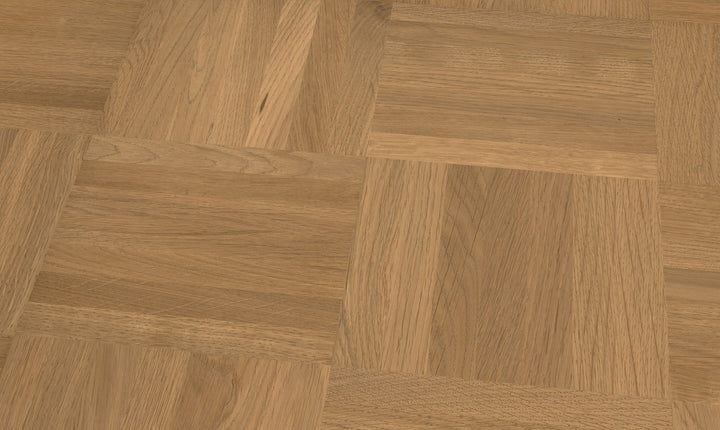
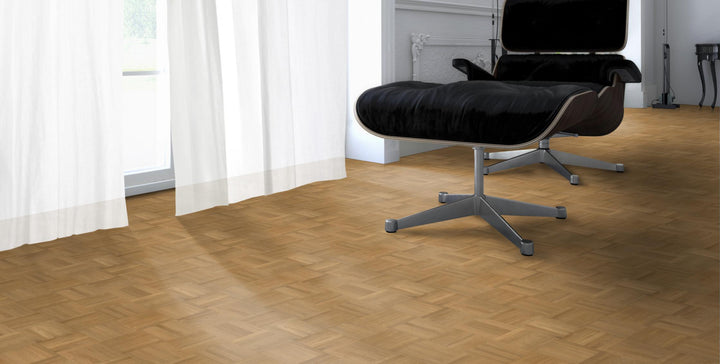
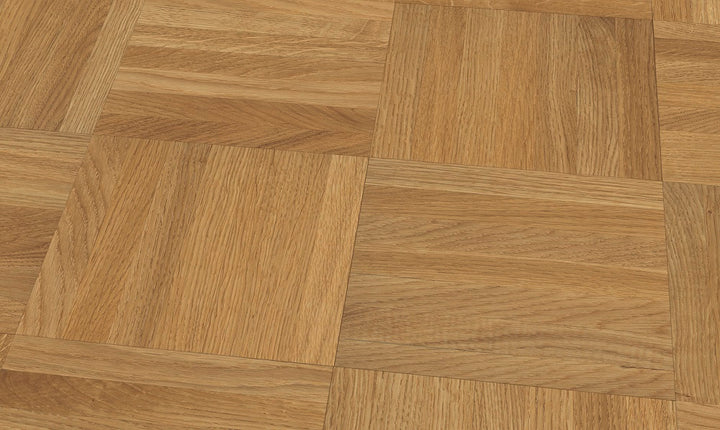
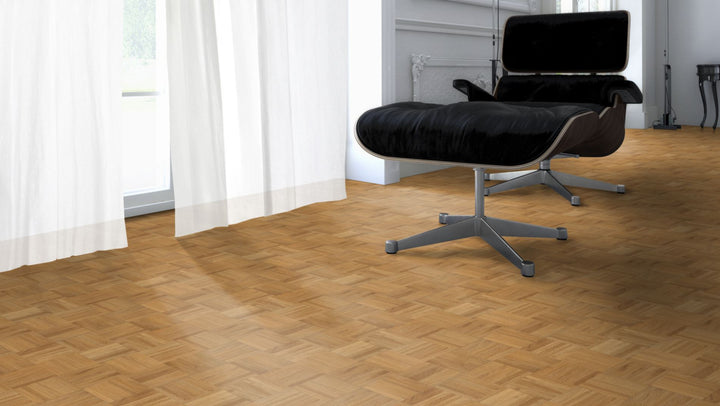
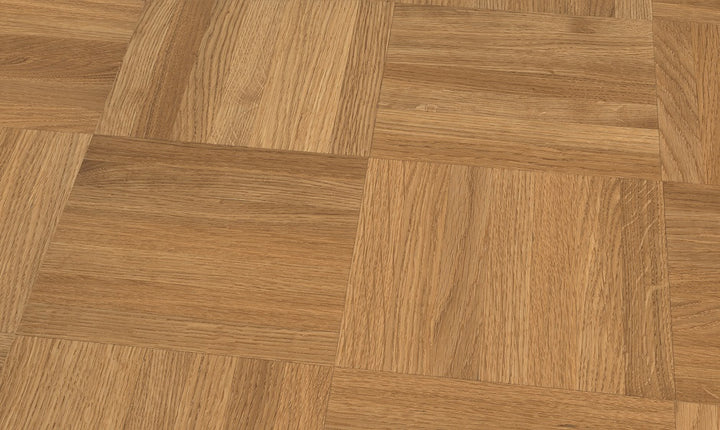
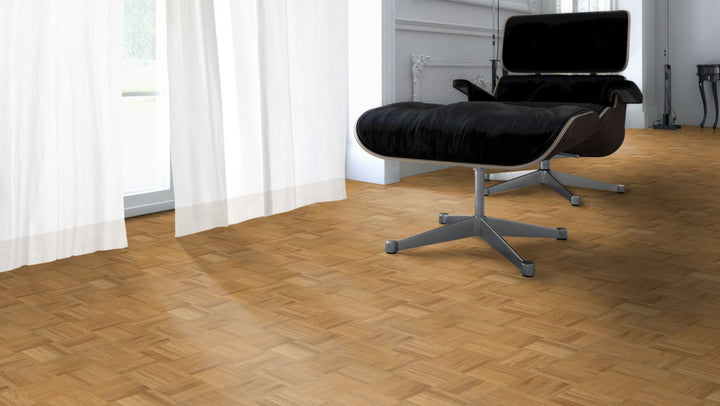
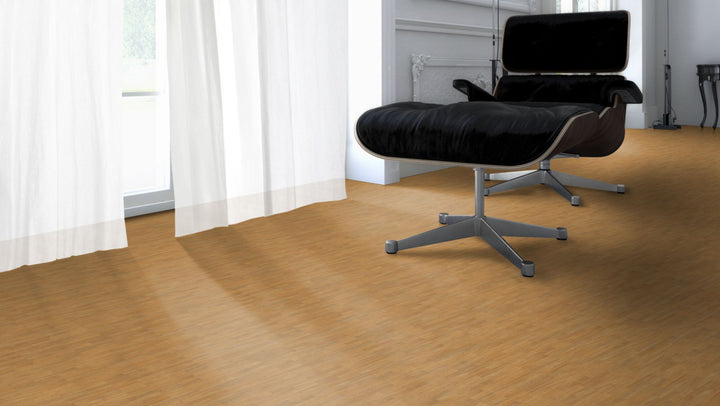
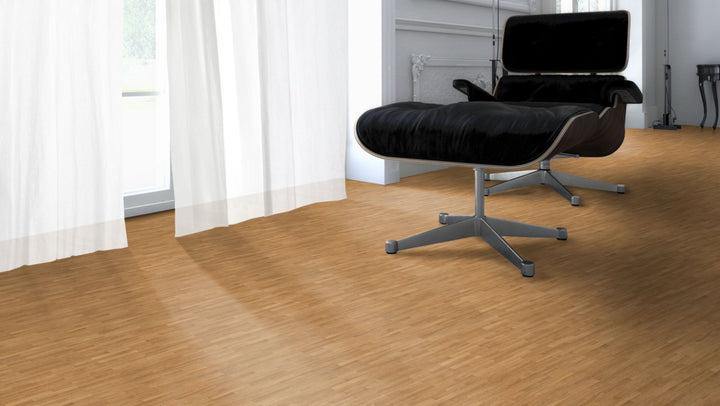
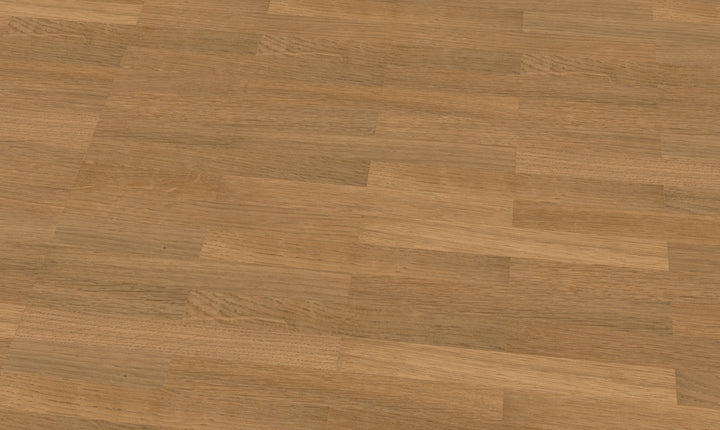
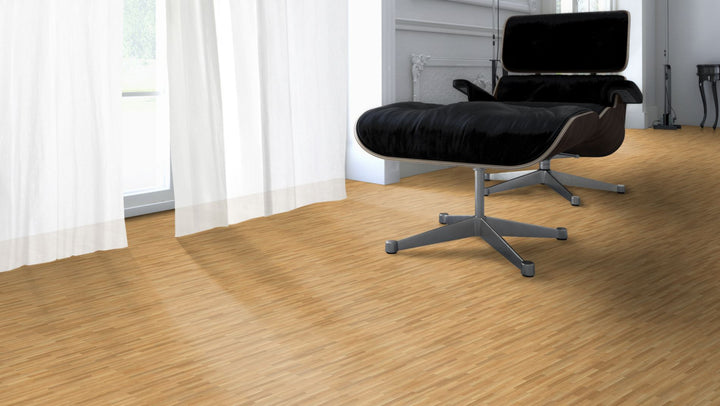
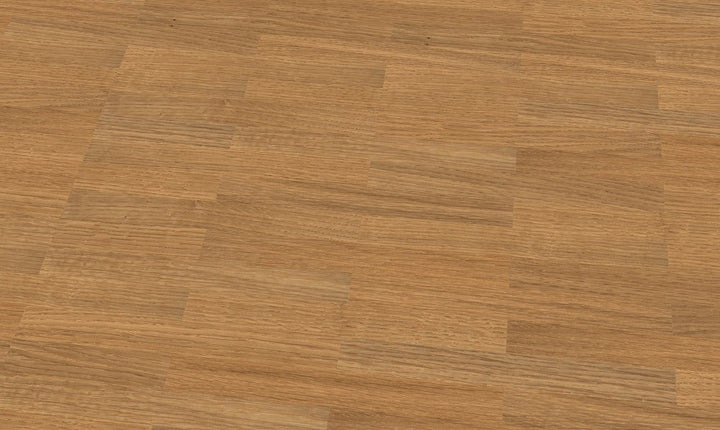
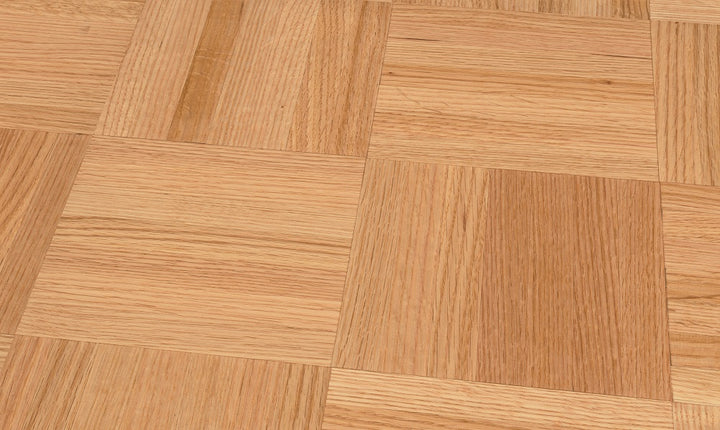
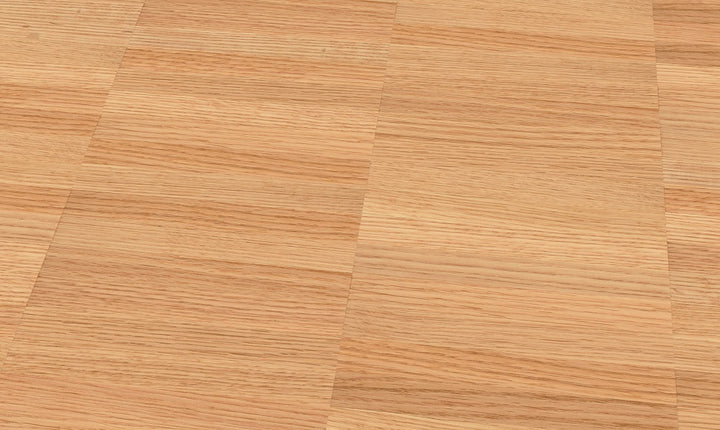
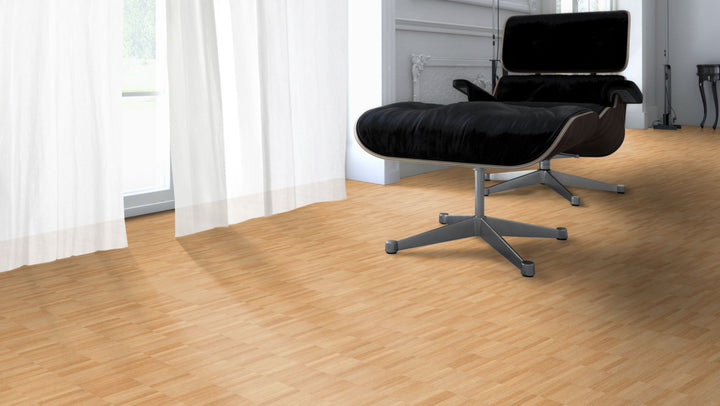
 Gunreben-Parkett Red Oak Natural/Select mosaic parquet, English bondRegular price €138,29€39,40 /m2
 -
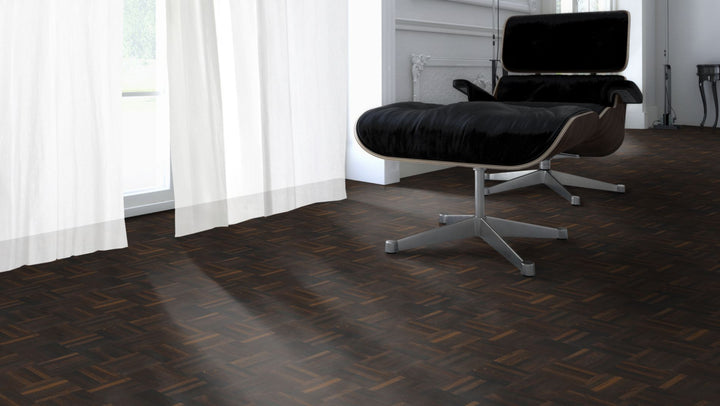
-
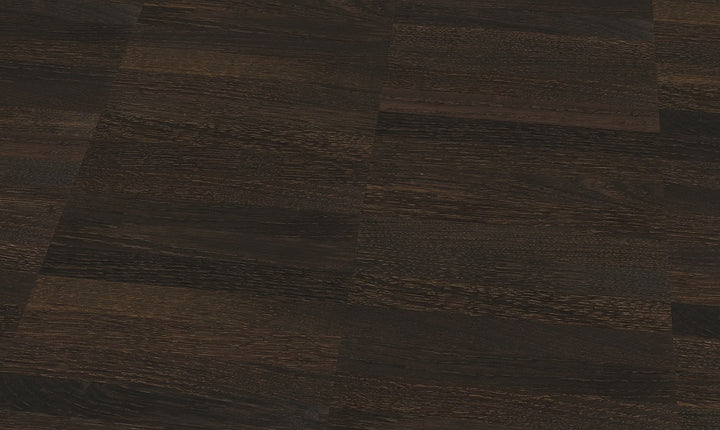
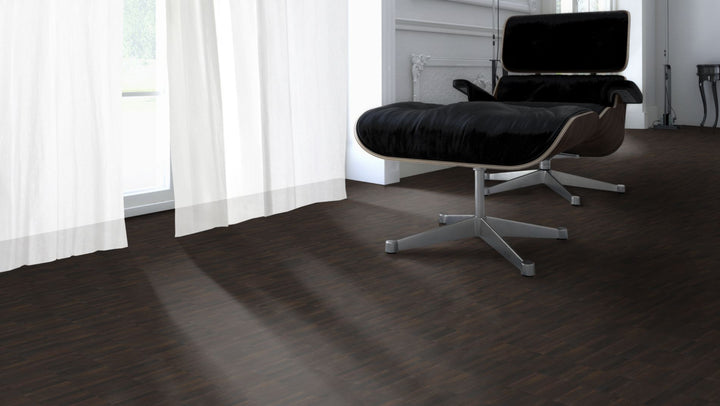
-


-
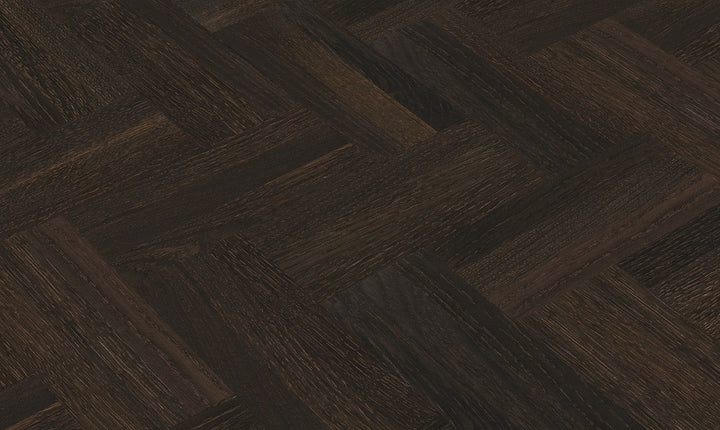
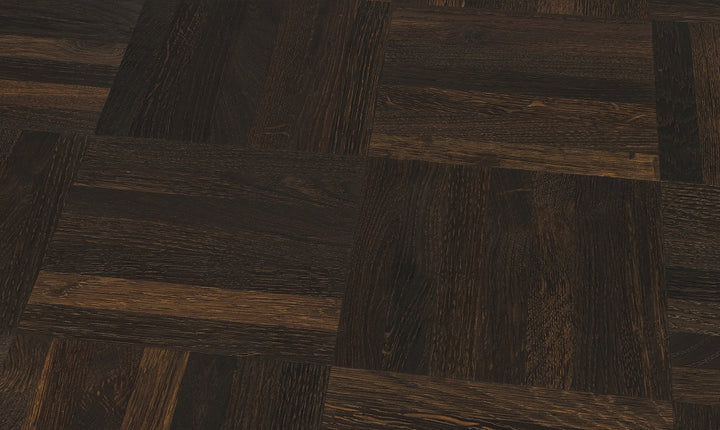
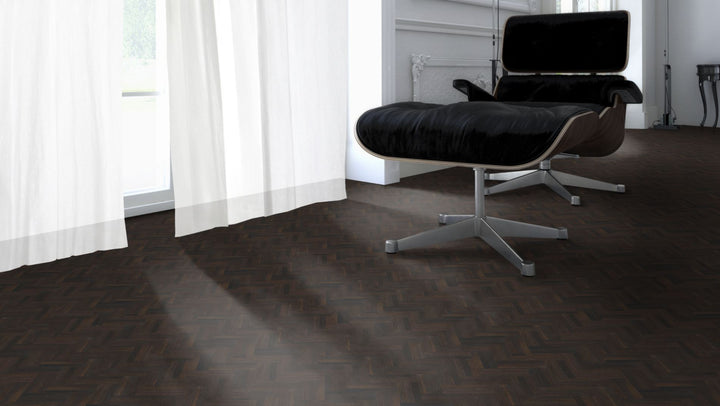 Gunreben-Parkett Smoked Oak Naturell Mosaic Parquet 3-fold HerringboneRegular price €175,89€66,75 /m2
 -
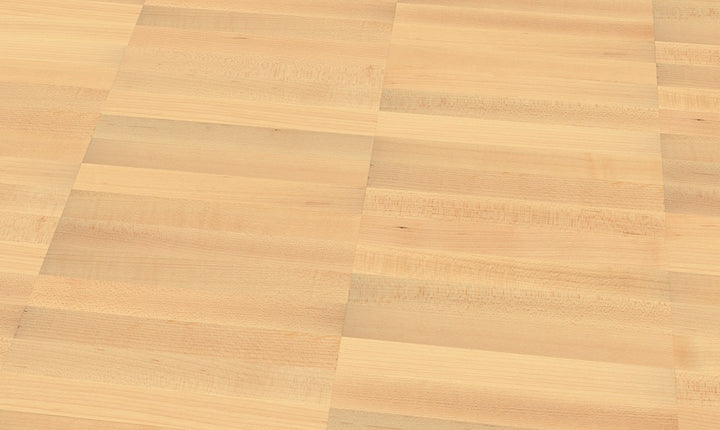
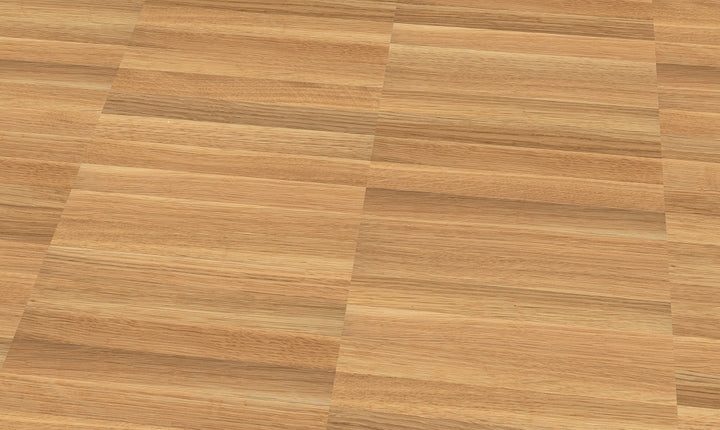
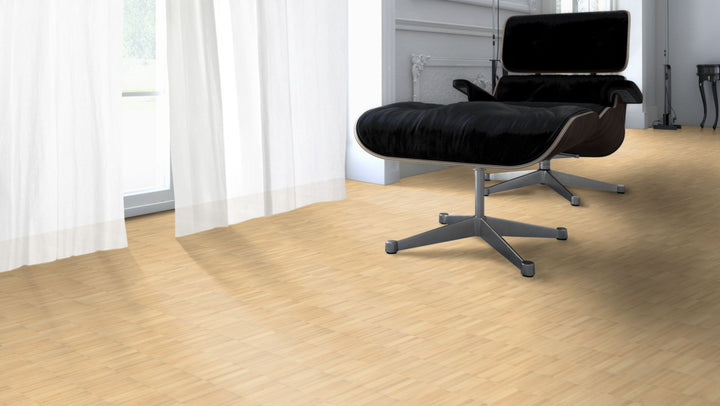 Gunreben-Parkett Canadian Maple Nature/Select Mosaic Parquet ParallelRegular price €241,90€59,00 /m2
 -
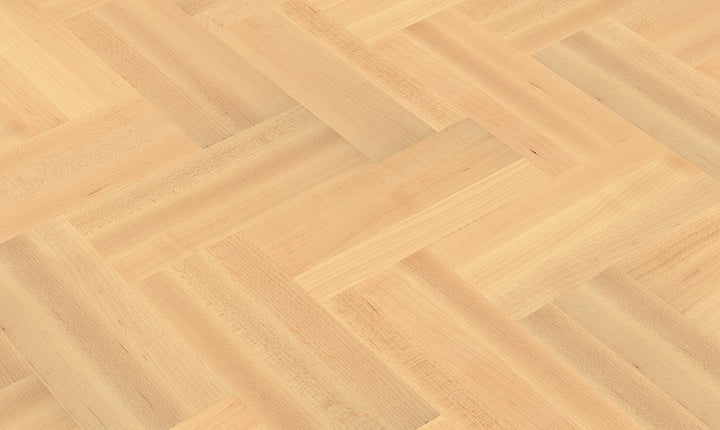
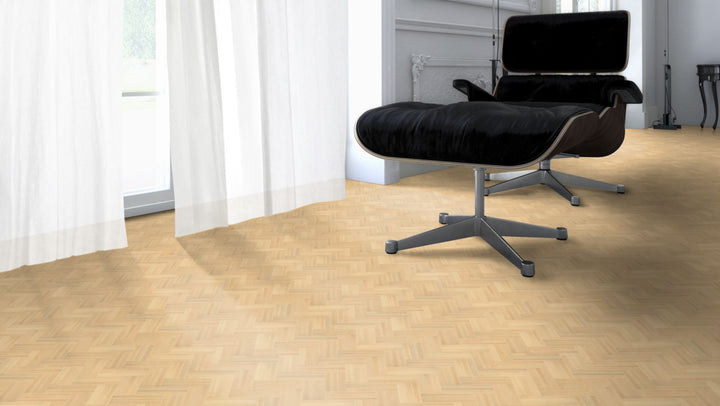 Gunreben-Parkett Canadian Maple Natural/Select Mosaic Parquet, 3-strip HerringboneRegular price €195,65€74,25 /m2
 -
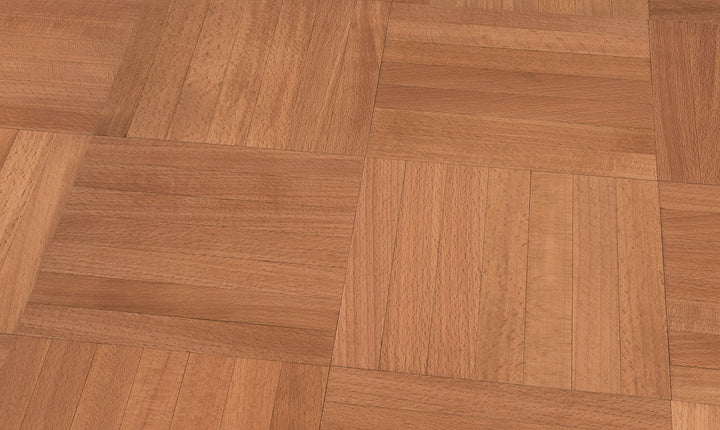
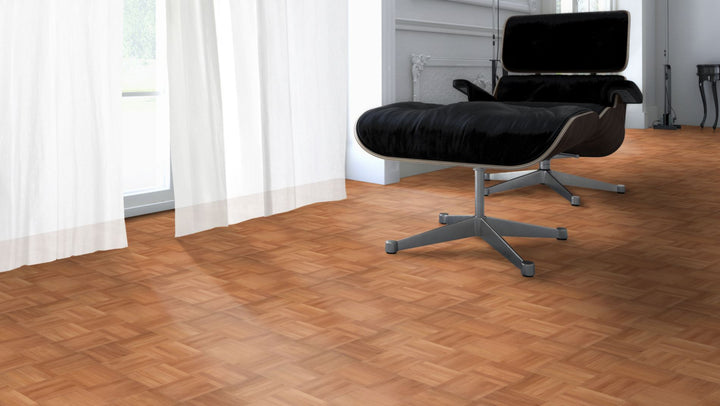
-
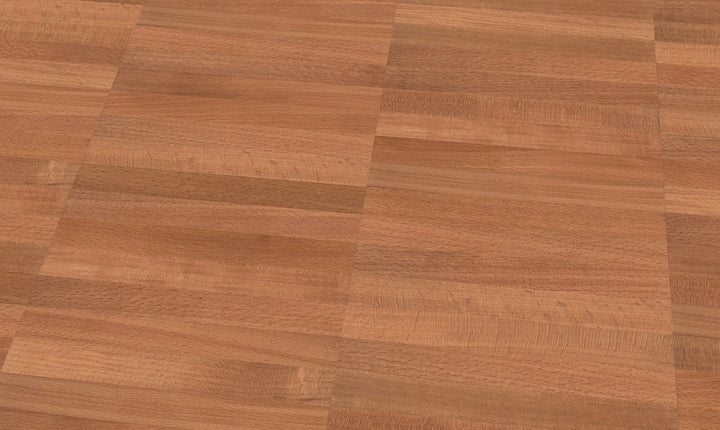


You've viewed 30 of 41 products
Now available at Gunreben.de in the usual top quality:
Solid wood mosaic parquet
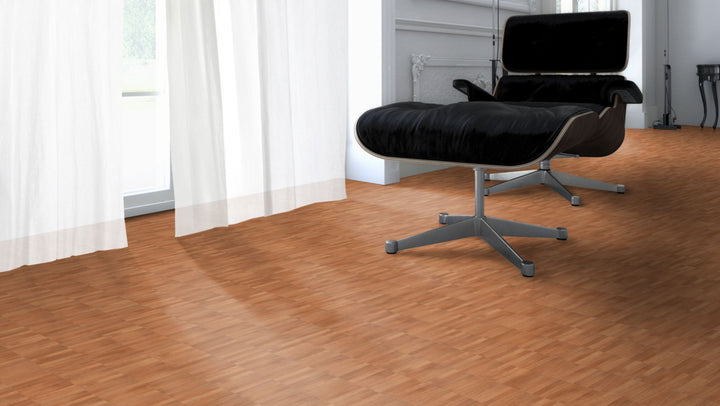
Mosaic parquet is a solid parquet floor made of small wood slats. The compact slat structure creates a versatile real wood floor that is particularly well-suited for classic parquet patterns and a natural, cozy room atmosphere.
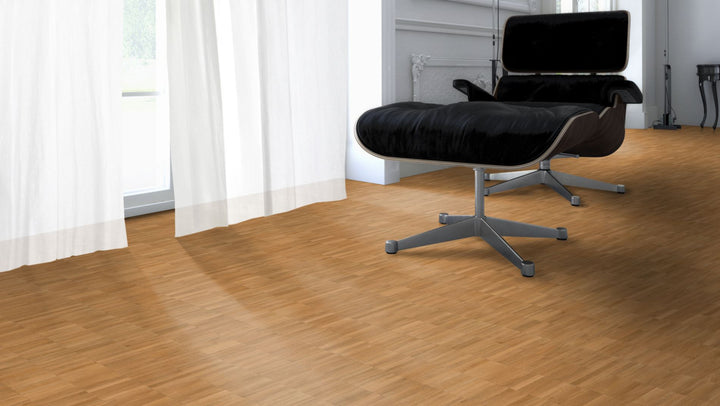
Depending on the wood species, grading, and pattern, mosaic parquet can look bright and friendly, warm and classic, or dark and striking. This allows the floor to be tailored to your interior design, lighting conditions, and desired room effect.
Overview: All solid parquet flooring For installation, finishing, and maintenance:
Adhesives | Skirting boards | Wood floor oil | Parquet sealant | Care products
Advantages of solid mosaic parquet
-
Solid real wood with a natural effect
The individual slats are made of solid wood and bring the warm, authentic radiance of a real wood floor into the room -
Many possible room effects
Light wood species appear friendly and airy, warm tones create comfort, and darker wood species provide a striking accent -
Classic patterns for individual designs
Cube, parallel, English, and 3-fold herringbone patterns allow for a range of parquet looks from tranquil to decorative -
Easy to plan for renovations and new builds
The compact design is suitable for many living areas, provided the subfloor, installation height, and transition areas are carefully coordinated -
Surface as desired
The surface is unfinished. After full-surface gluing, the floor is sanded and then treated with wood floor oil or parquet sealant
Wood species, grading, and room effect
Whether subtle, classic, or expressive – for mosaic parquet, it is primarily the wood species, grading, and installation pattern that determine the effect of the floor. The small slats make color nuances and wood structure look particularly refined, adding tranquility, warmth, or vibrancy to the room depending on the selection.
Select mosaic parquet by wood species
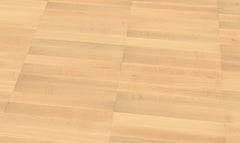
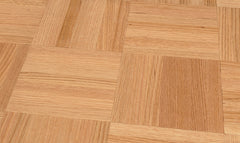
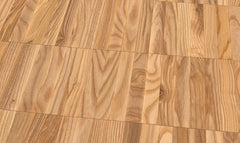
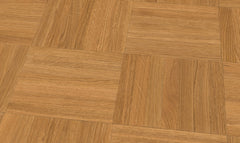
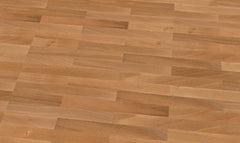
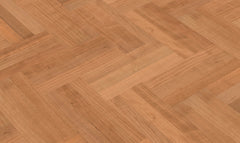
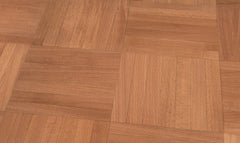
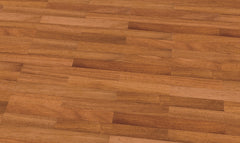
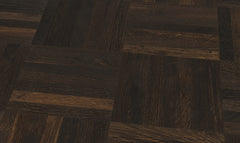
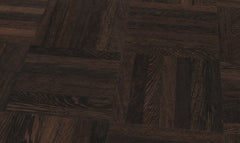
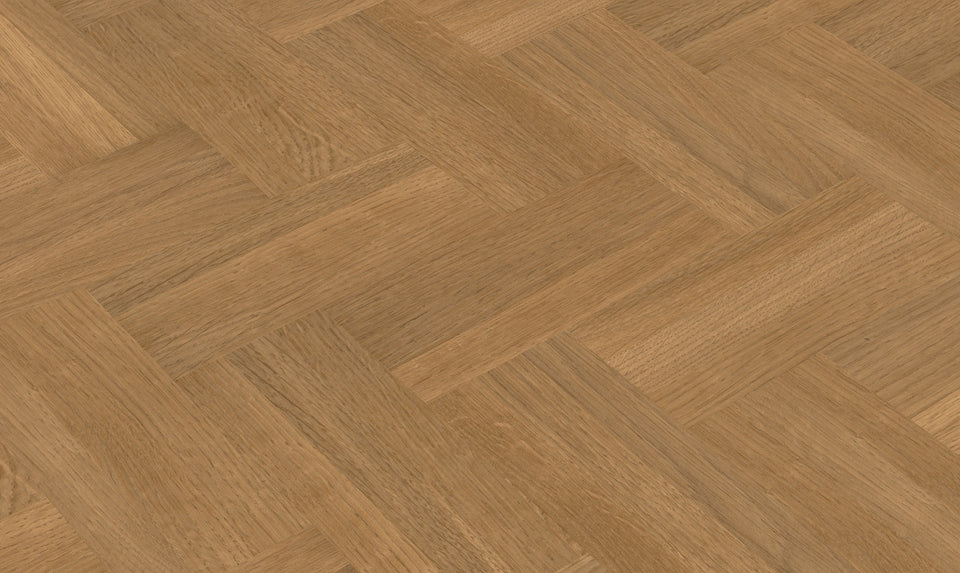
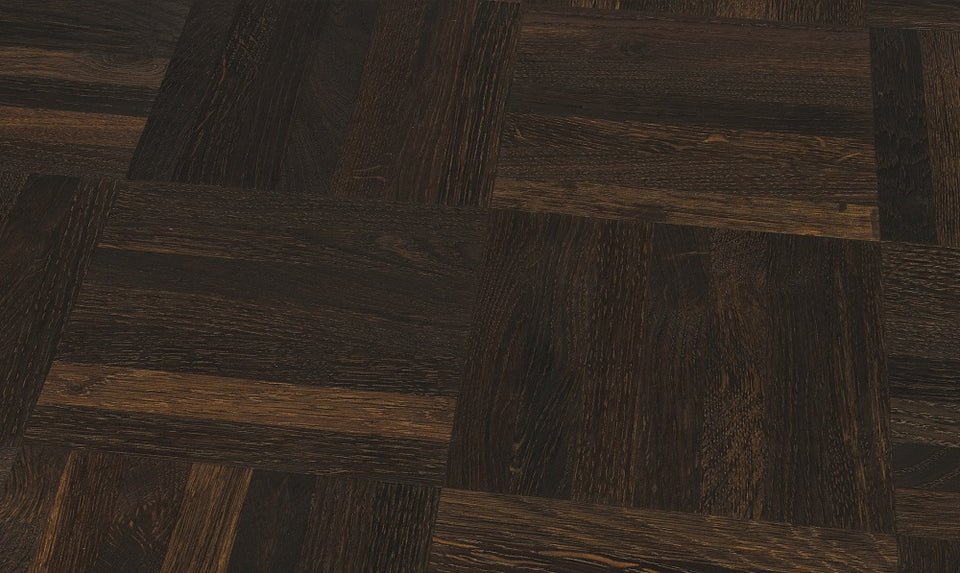
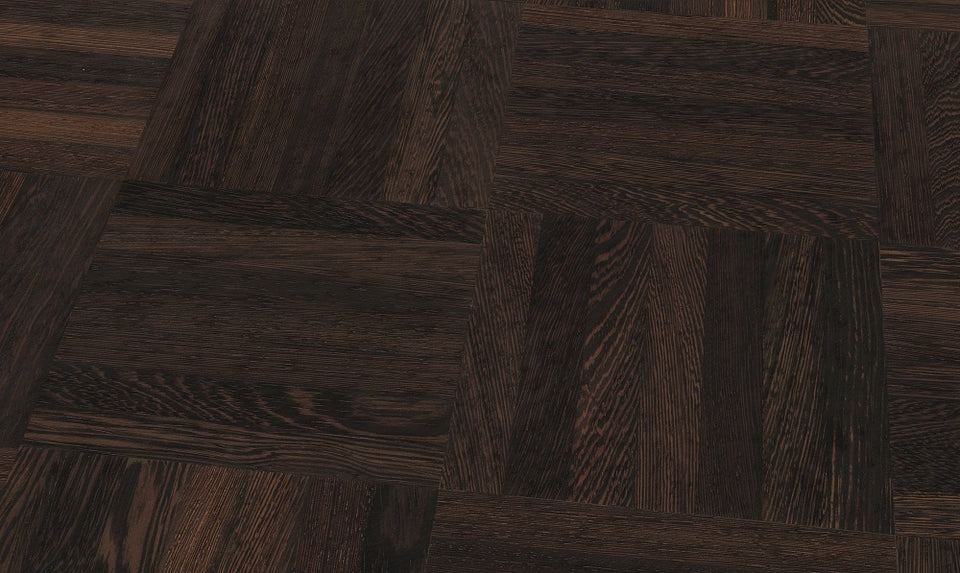
The wood species shapes the color, brightness, and character of the floor. Maple and ash look bright and friendly; oak and red oak range from classic to warm; beech and cherry are cozy and lively. Doussie, smoked oak, and wenge set darker or particularly striking accents.
Light & friendly Dark & striking
Select mosaic parquet by grading
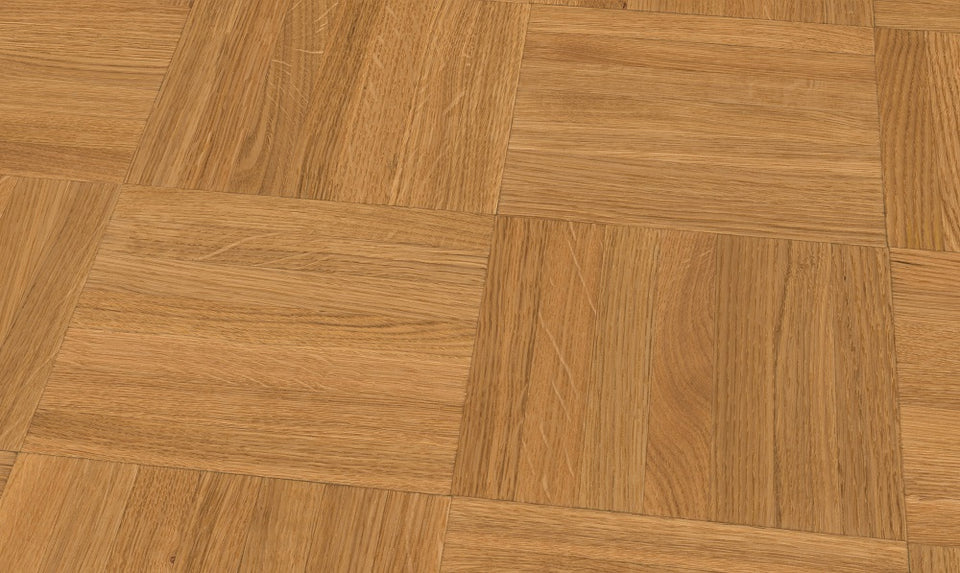
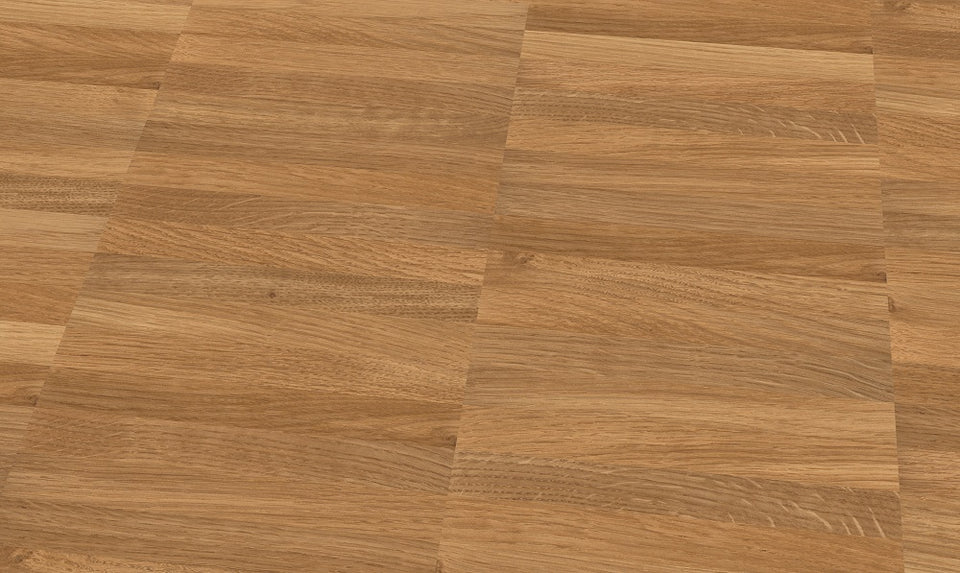
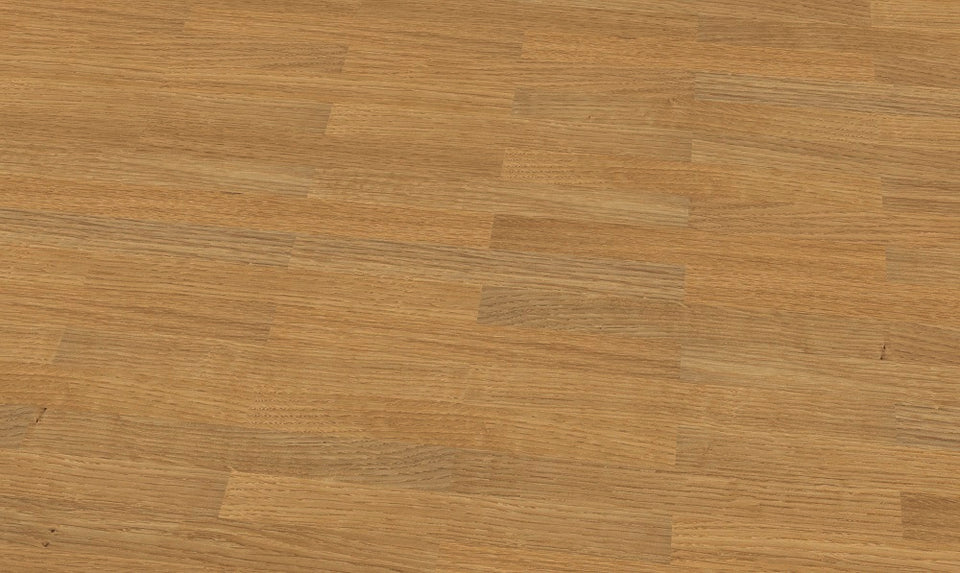
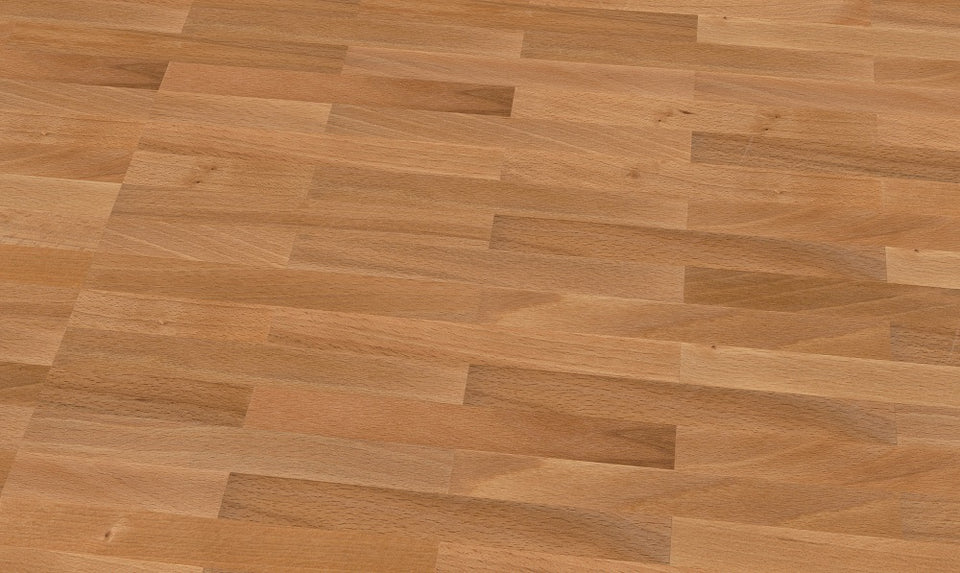
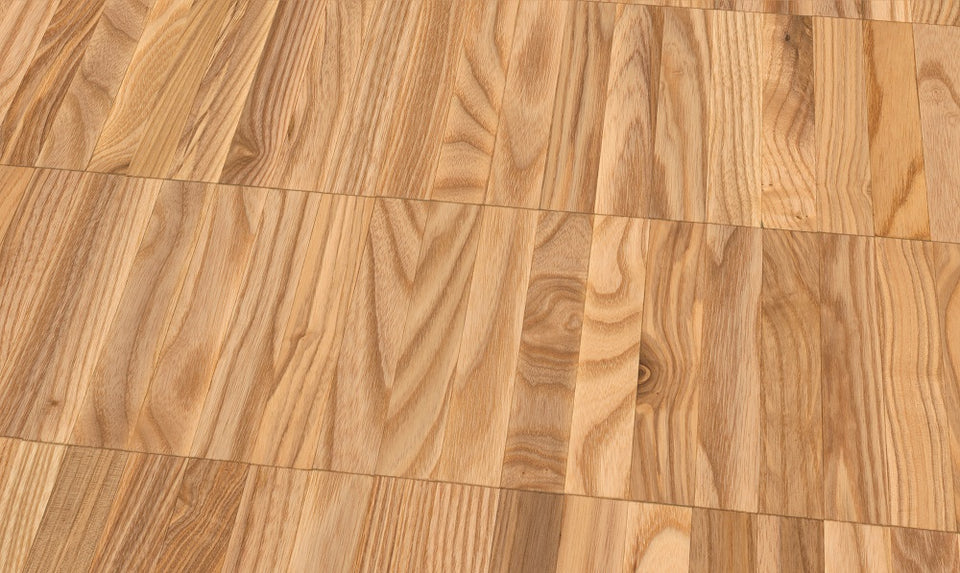
The grading determines how tranquil or lively the wood pattern appears. Tranquil gradings are suitable for elegant, uniform surfaces. More lively gradings show more play of color, structure, and natural features.
Tranquil & elegant Lively & striking
Laying patterns and surface treatment
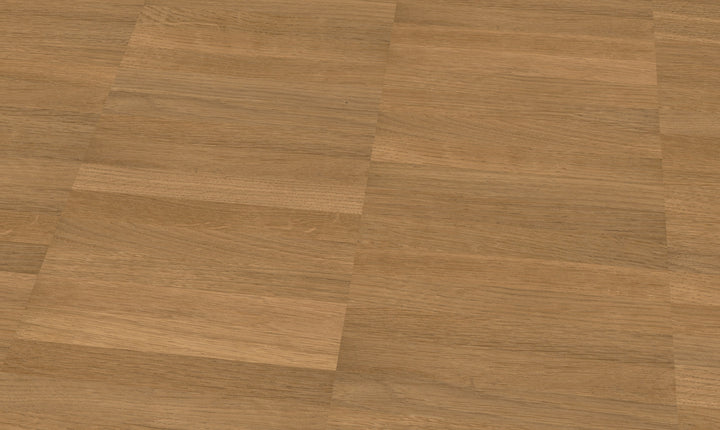
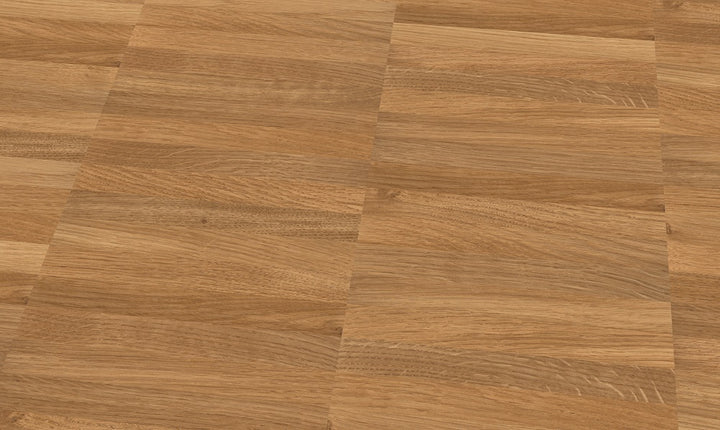
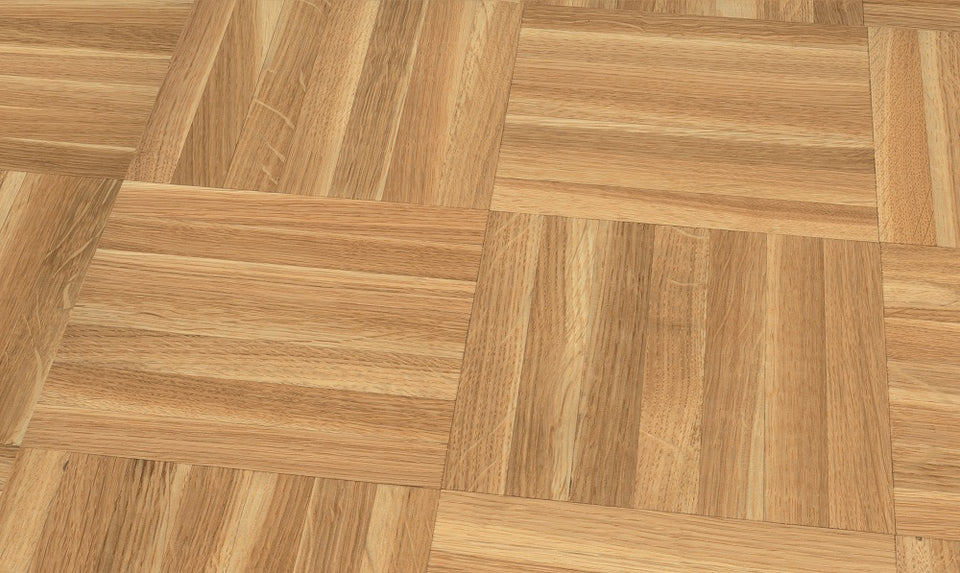
Our mosaic parquet floors are available in various classic patterns. Cube appears traditional and clearly structured, parallel bond looks calm and linear, while the English bond is lively and balanced. 3-fold herringbone provides a particularly decorative accent.
Tip: If a calmer parquet appearance with a classic plank or strip character is desired, strip parquet could be a suitable alternative. Mosaic parquet is particularly suitable when classic patterns such as cube, parallel bond, English bond, or 3-fold herringbone are to take center stage.
The surface of mosaic parquet is unfinished. After full-surface bonding, the floor is sanded and subsequently treated with wood floor oil or parquet sealant. This allows for planning the appearance, protection, and maintenance according to usage.
Technical notes on installation and planning
Mosaic parquet is bonded over the entire surface. For this, the substrate, adhesive, and installation conditions must be compatible. Key factors include flatness, strength, residual moisture, and suitable substrate preparation. For bonding, the parquet adhesive should match the substrate, the wood species, and the parquet format.
After installation, the floor is sanded and subsequently oiled or sealed. Additionally, skirting boards, care products, and the chosen surface treatment should be coordinated with the wood species, usage, and room effect.
FAQ about mosaic parquet
Answers regarding wood species, patterns, bonding, raw surfaces, and appropriate thickness.
Mosaic parquet is a solid wood floor made from small wooden lamellae. The lamellae are arranged into classic patterns and bonded over the entire surface. This creates a genuine wood floor with a natural effect and versatile design possibilities.
You can choose mosaic parquet in species including maple, ash, European oak, red oak, beech, cherry, Doussie, smoked oak, and wenge.
Classic patterns such as cube, parallel bond, English bond, and 3-fold herringbone are possible. The cube pattern appears more structured, parallel more calm, the English bond is balanced and lively, and 3-fold herringbone is particularly decorative.
Mosaic parquet is bonded over the entire surface. The substrate must be flat, load-bearing, clean, and sufficiently dry. Suitable adhesives should be coordinated with the substrate, wood species, and installation conditions.
Unfinished mosaic parquet is untreated. After full-surface bonding, the floor is sanded and subsequently treated with wood floor oil or parquet sealant.
Our mosaic parquet has a low installation height of 8 mm. It is crucial that the substrate, adhesive, installation height, and surface treatment are compatible with the planned floor structure.
