


Cart
0

-
-
-
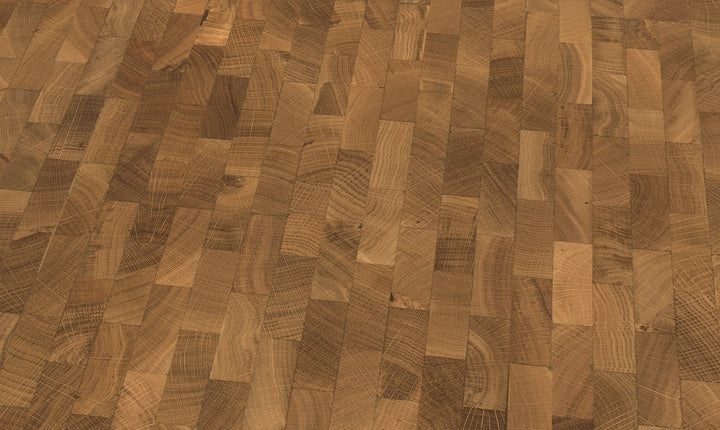
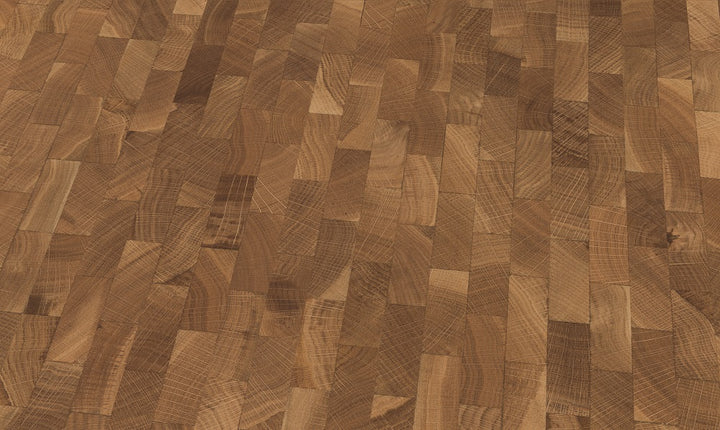
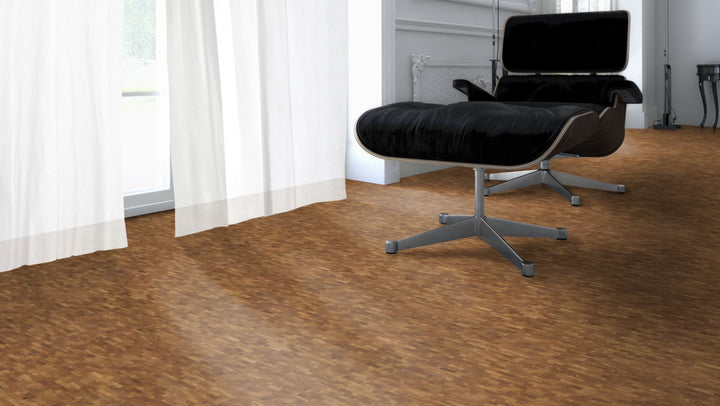
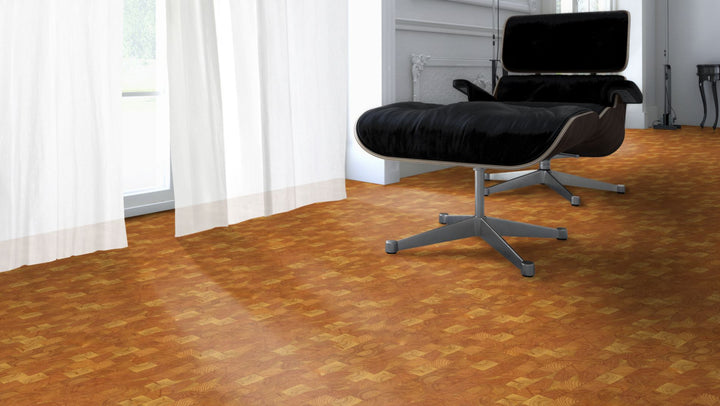
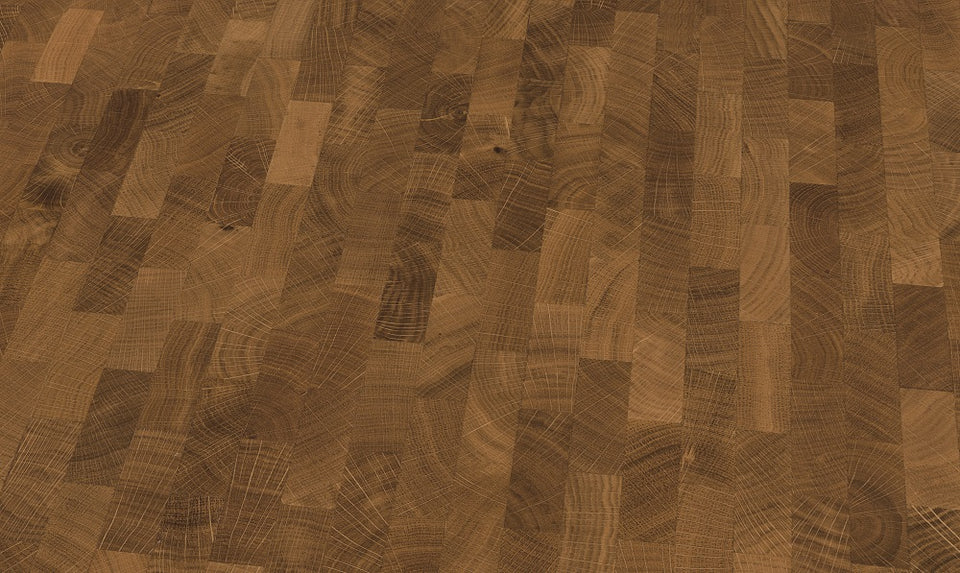
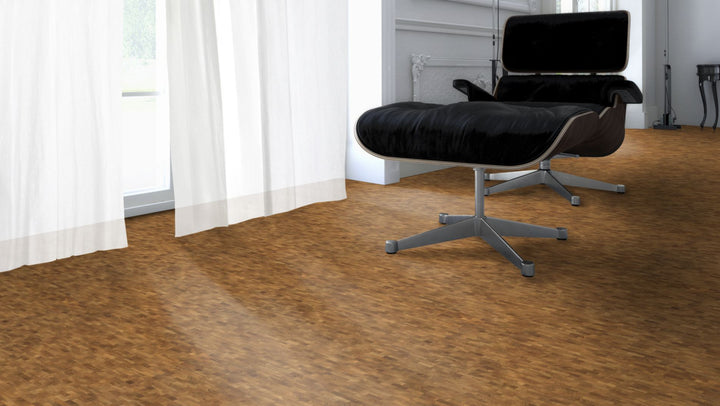 Gunreben End-grain oak flooring, Markant grade, 18 mm, English patternRegular price €97,29€84,60 /m2
 -
-
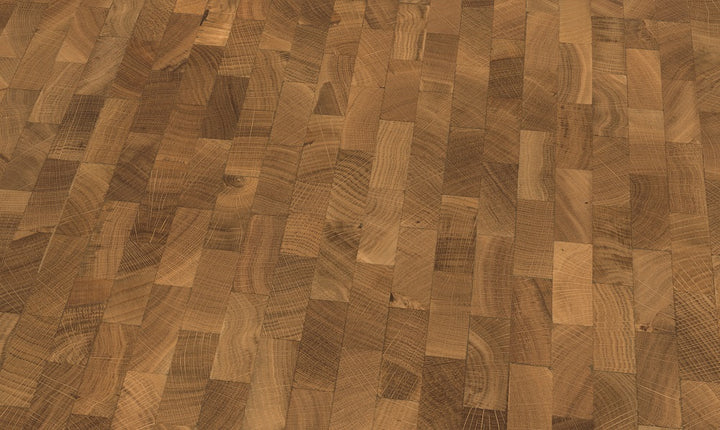
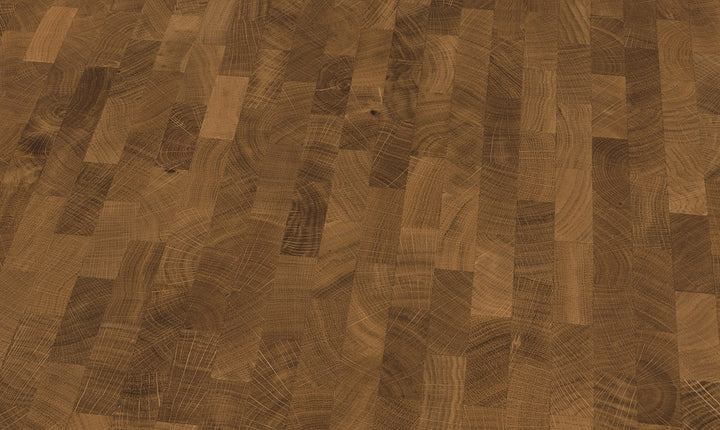
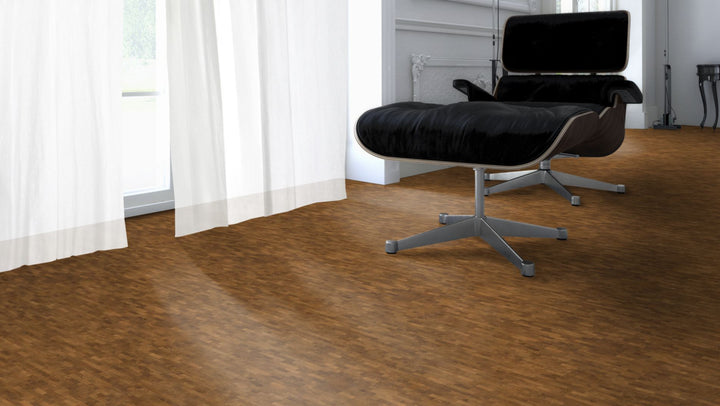
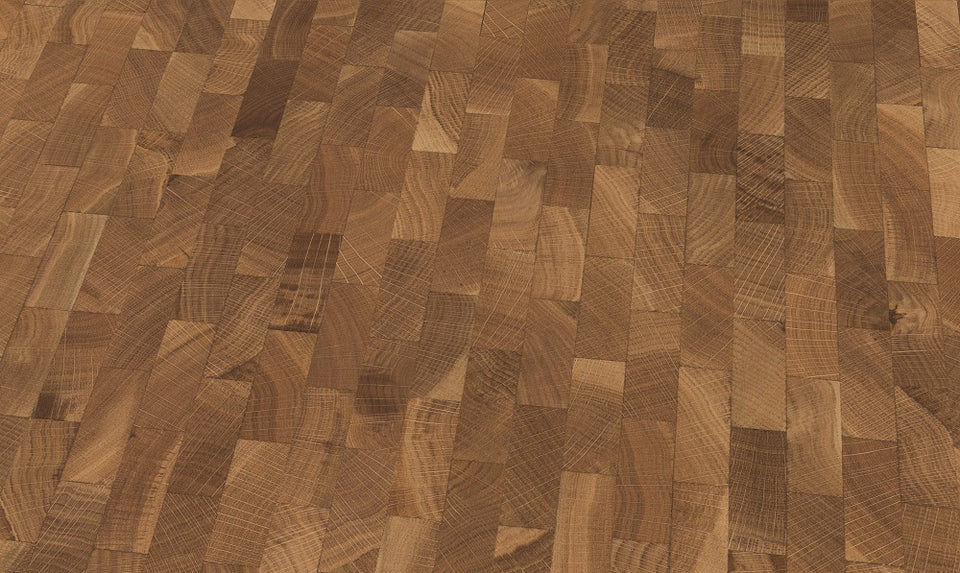
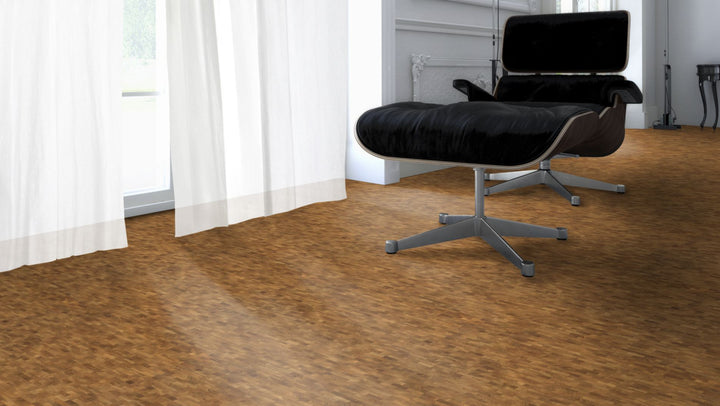 Gunreben End-grain oak flooring, Markant grade, 10 mm, English bondRegular price €130,99€56,95 /m2
 -
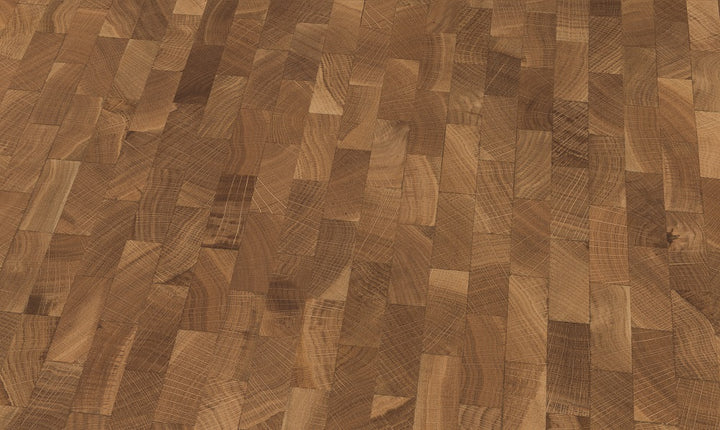
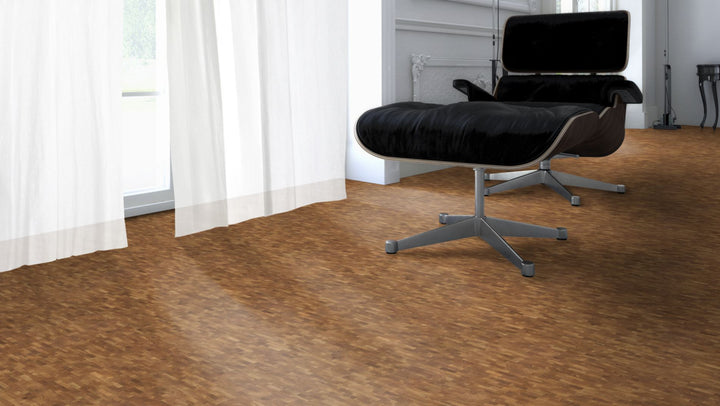
-
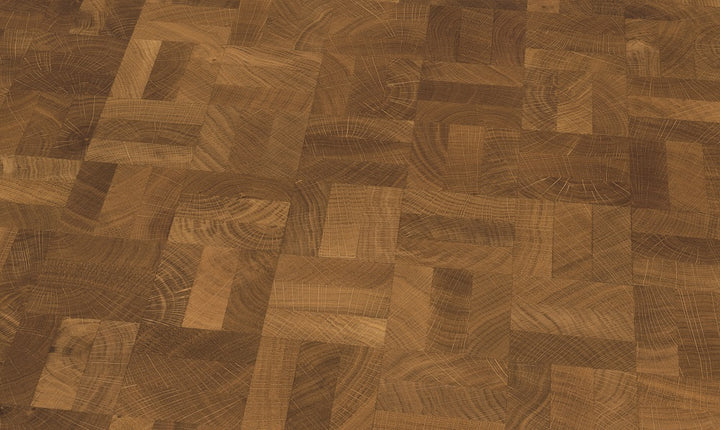
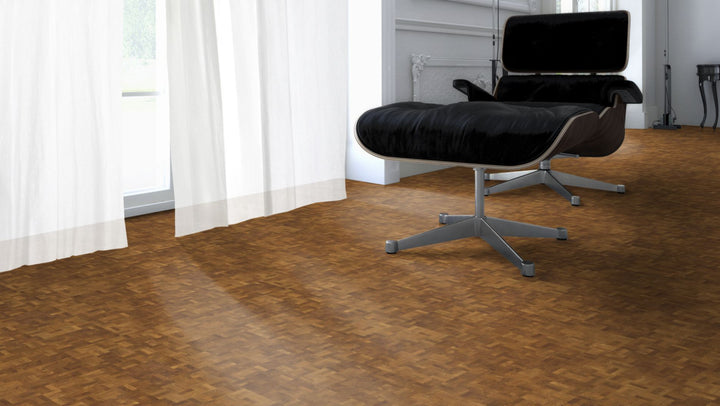
-
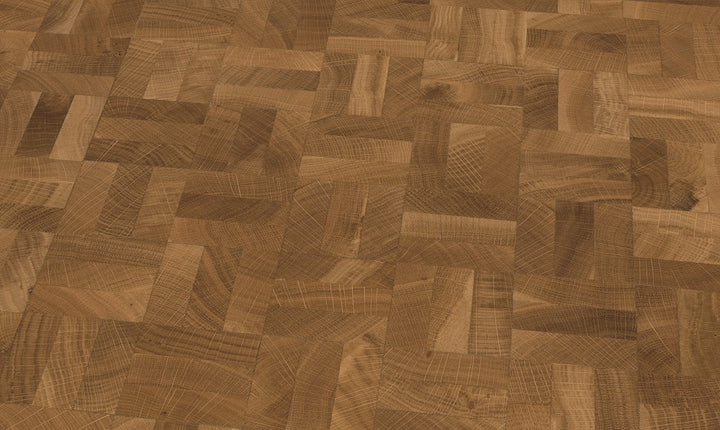
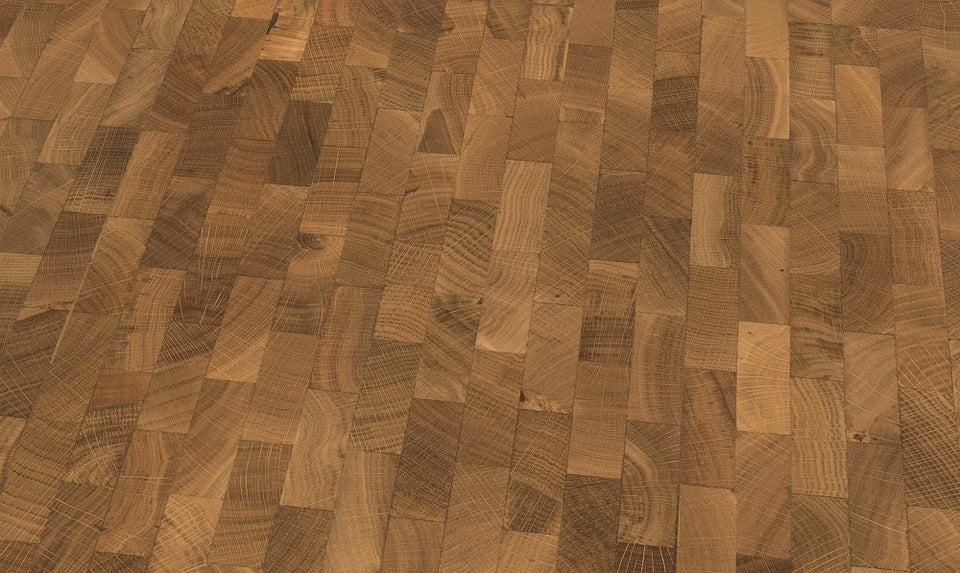
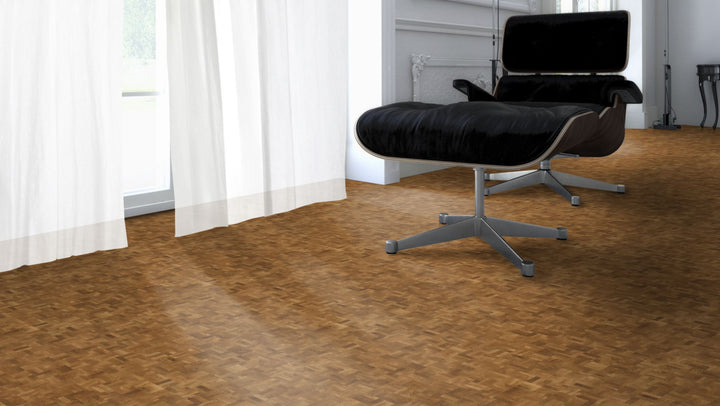 Gunreben End-grain oak flooring, distinctive grade, 18 mm, cube patternRegular price €88,67€77,10 /m2
 -
-
-
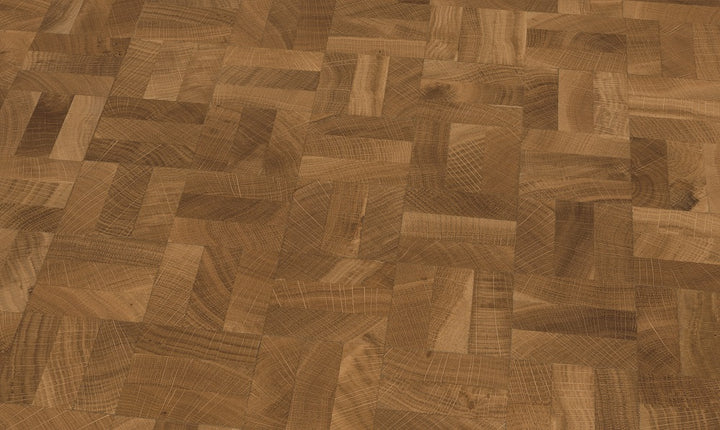
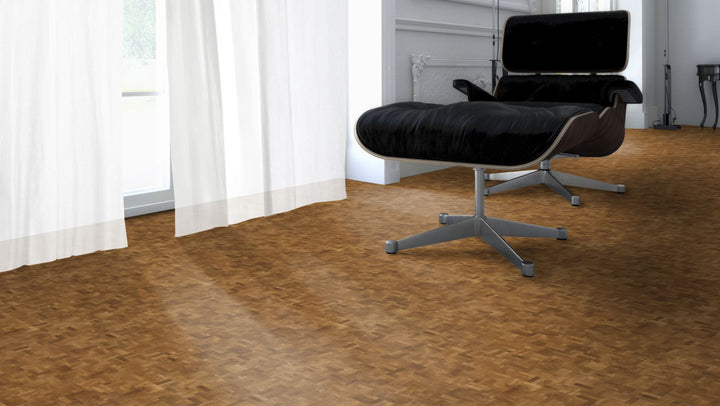
-
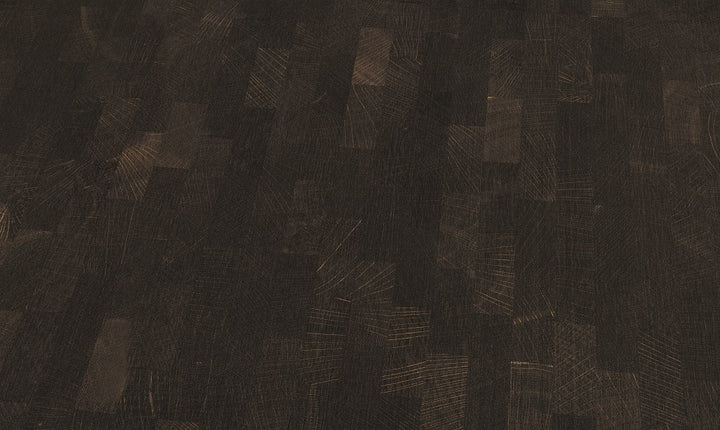
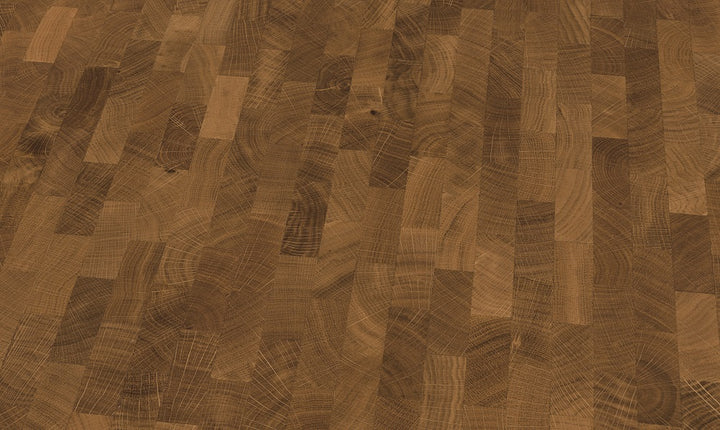
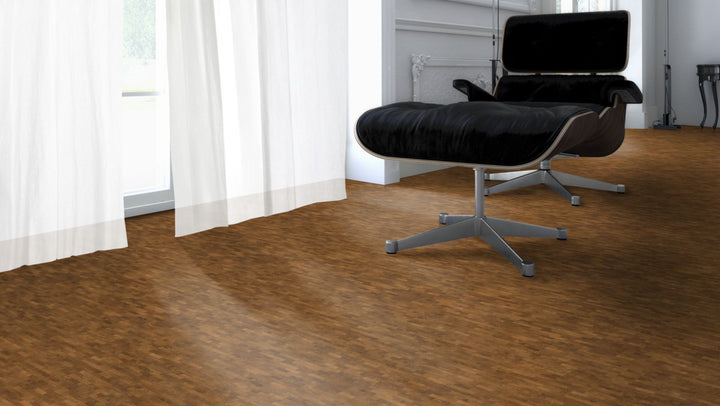
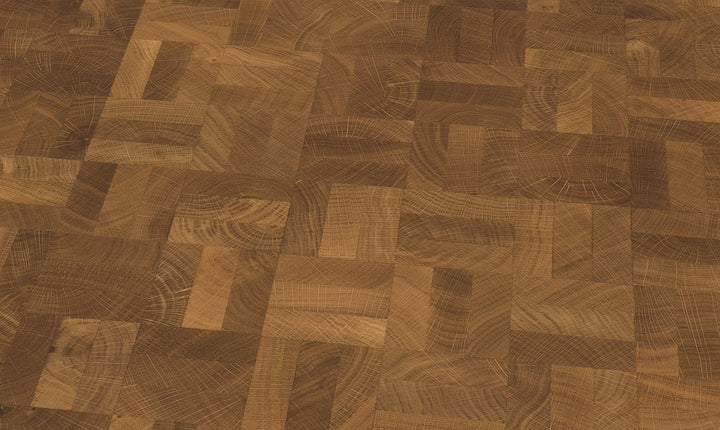
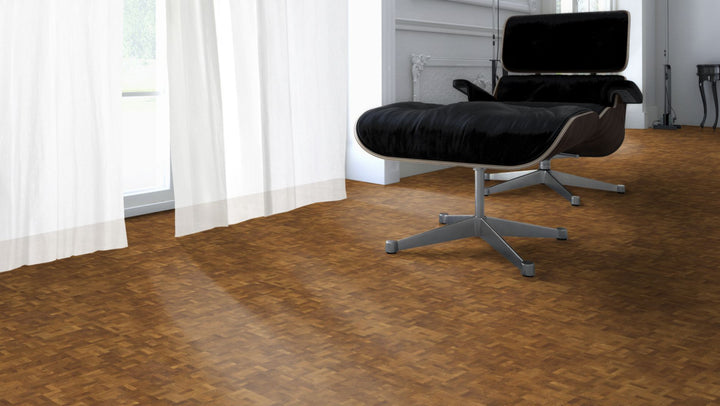
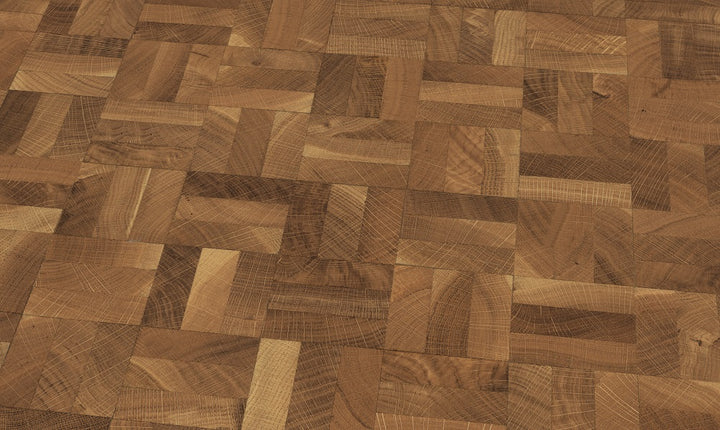
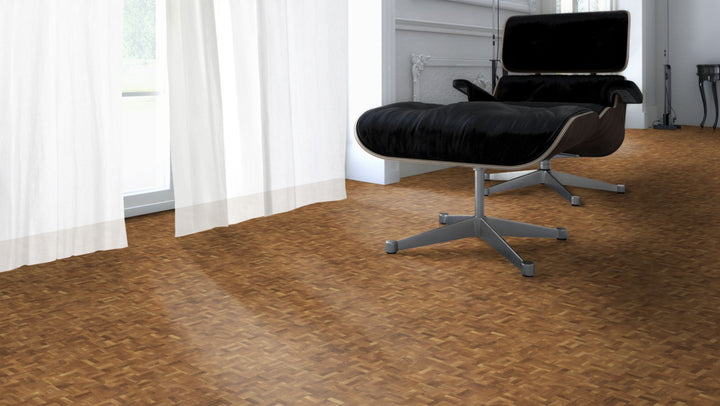
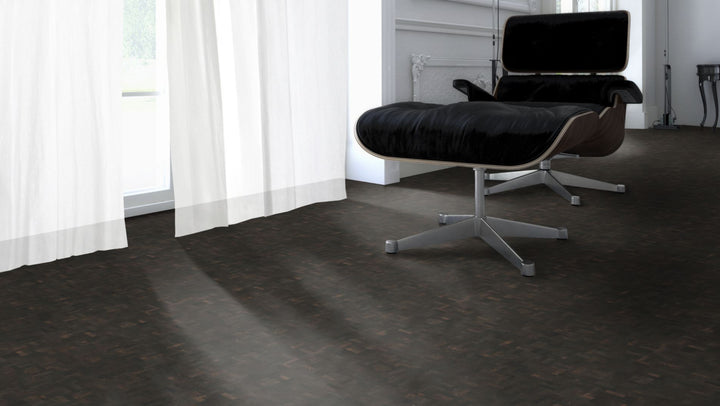
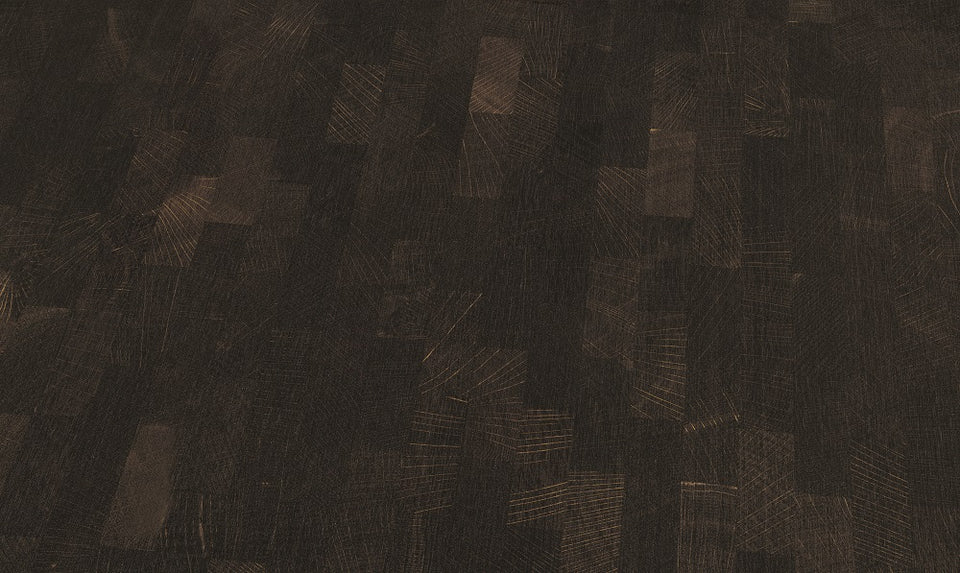
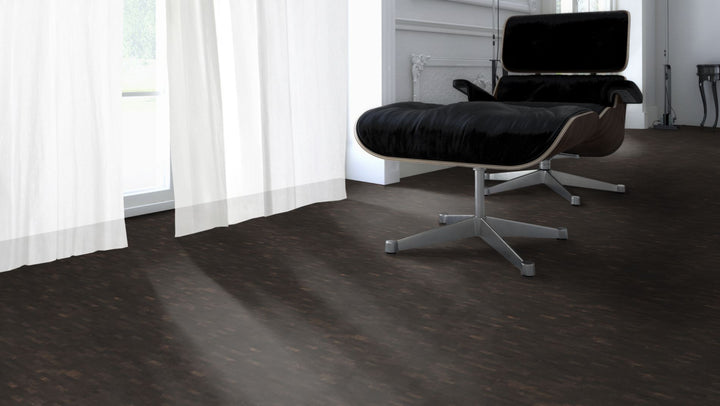 Gunreben End-grain wood flooring, smoked oak antique, 10 mm, English patternRegular price €227,82€99,05 /m2
 -
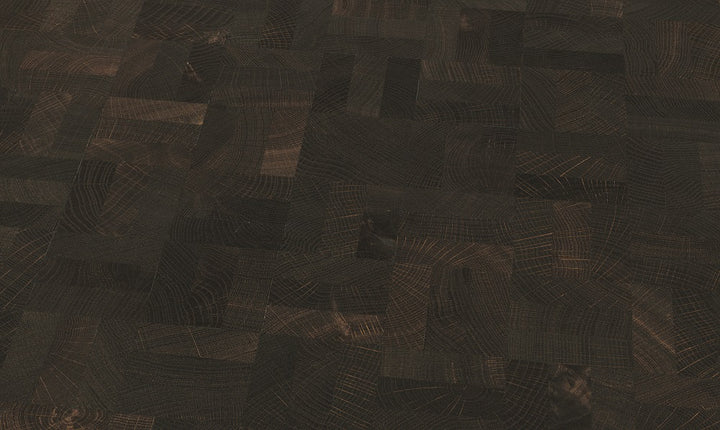
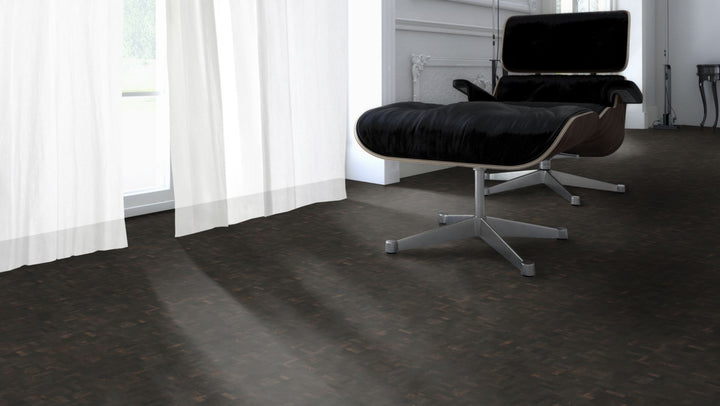
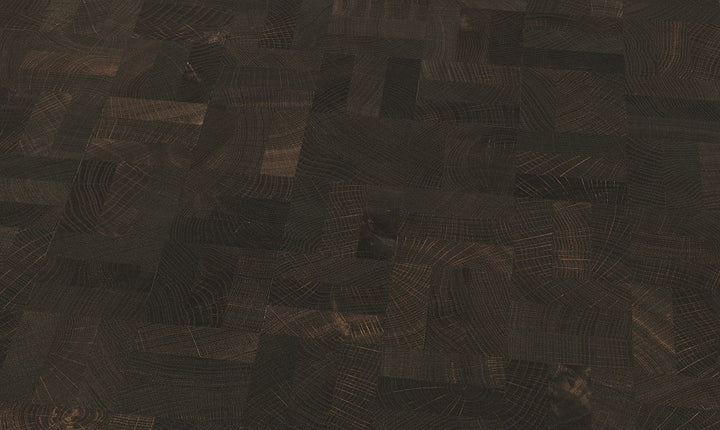
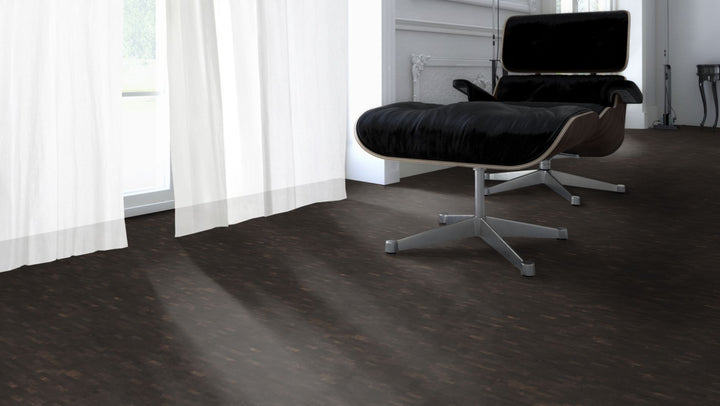 Gunreben End-grain flooring, smoked oak antique, 18 mm, English bondRegular price €149,21€129,75 /m2
 -
-
-


-


-


-


-


-


-
-
-
-
-
-
-
-
-


You've viewed 30 of 41 products
Now available at Gunreben.de in the usual top quality:
Wood block paving and end-grain wood
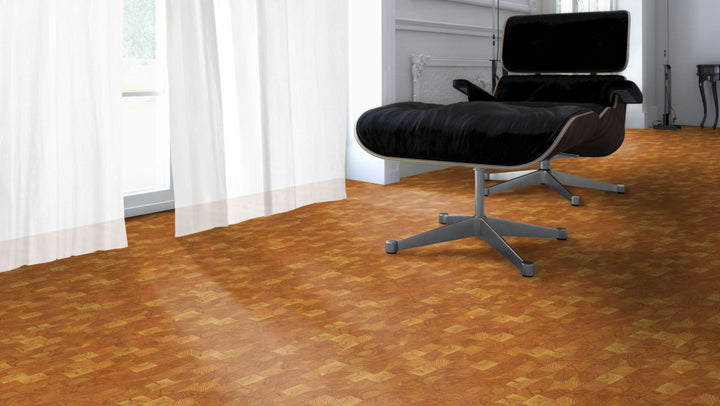
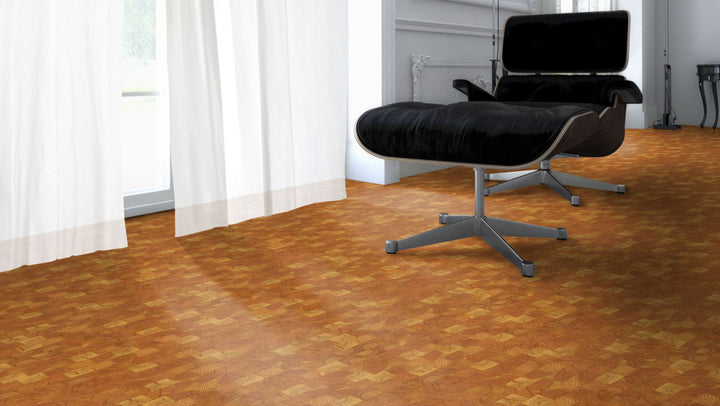
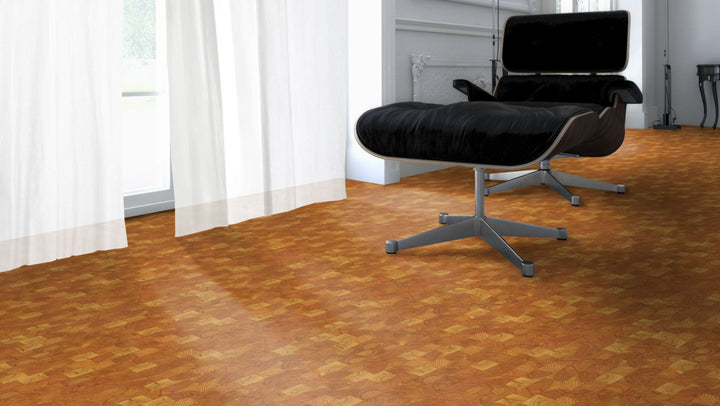
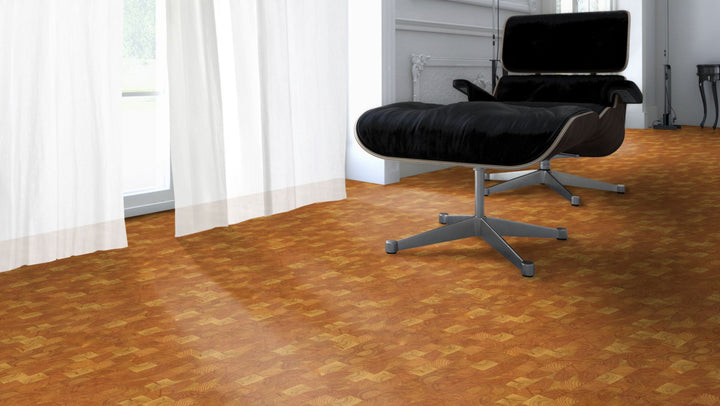
Wood block paving and end-grain wood are highly durable solid wood floors made from wooden blocks or end-grain elements. Their robust construction, visible end-grain structure, and wide selection of wood species, thicknesses, and grades make them a resilient and renewable solution for demanding residential, commercial, and project spaces.
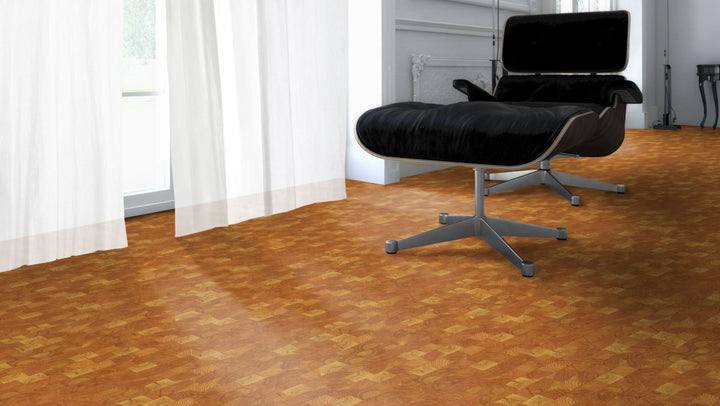
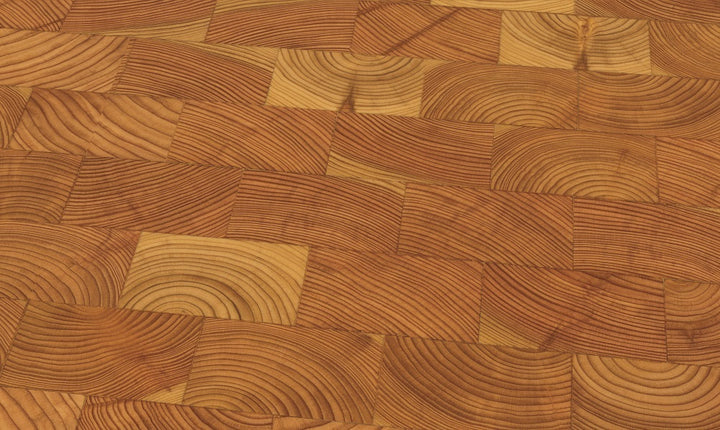
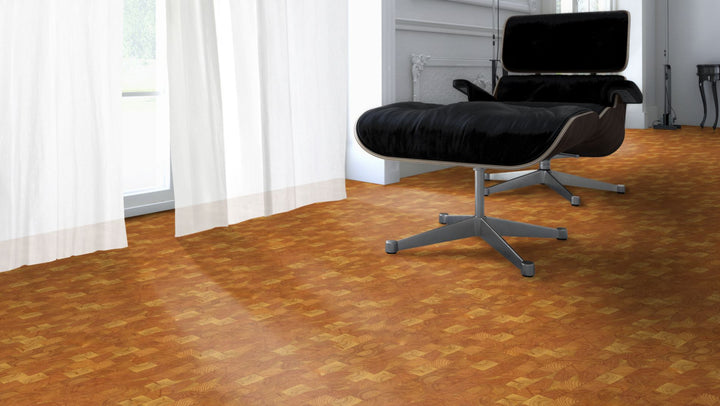
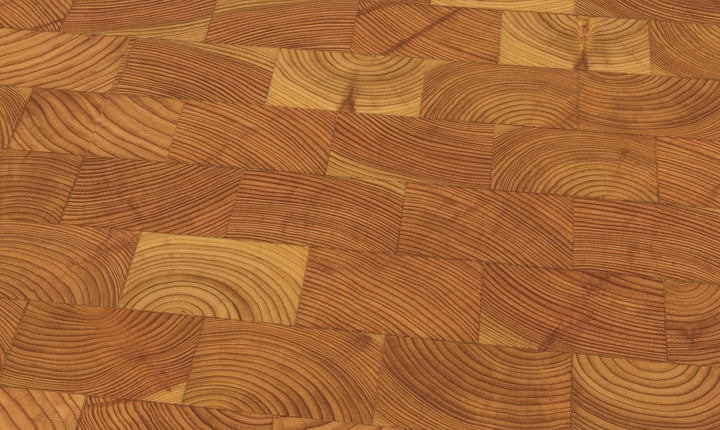
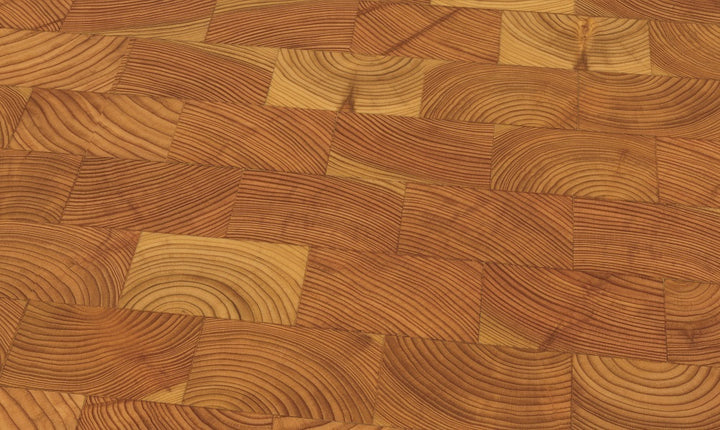
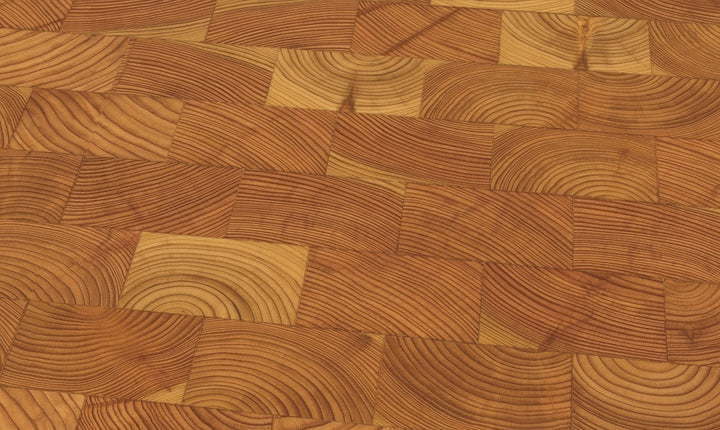
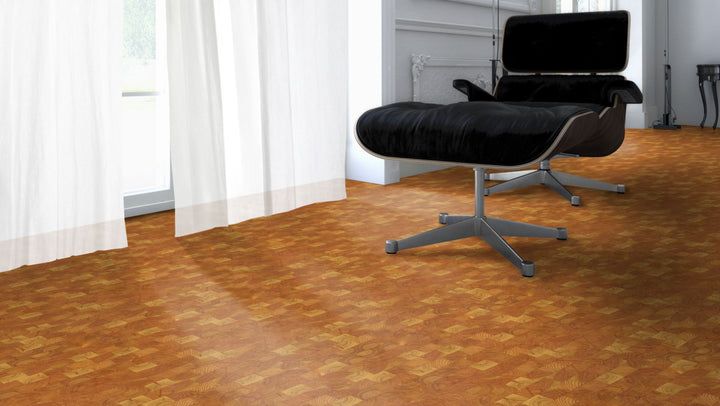
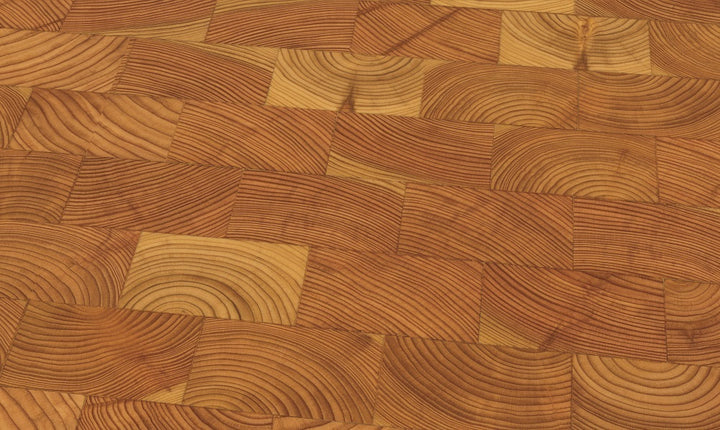
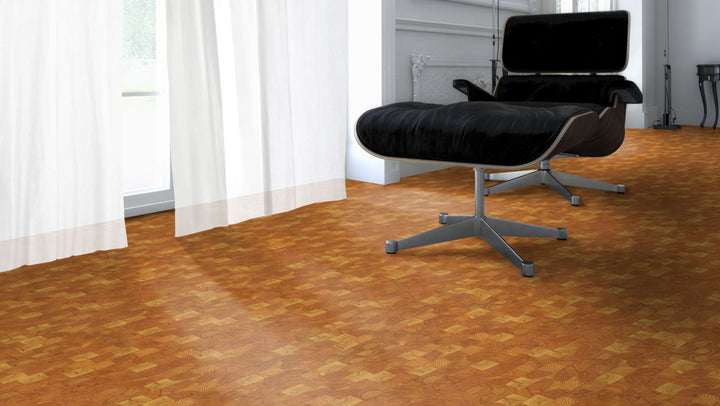
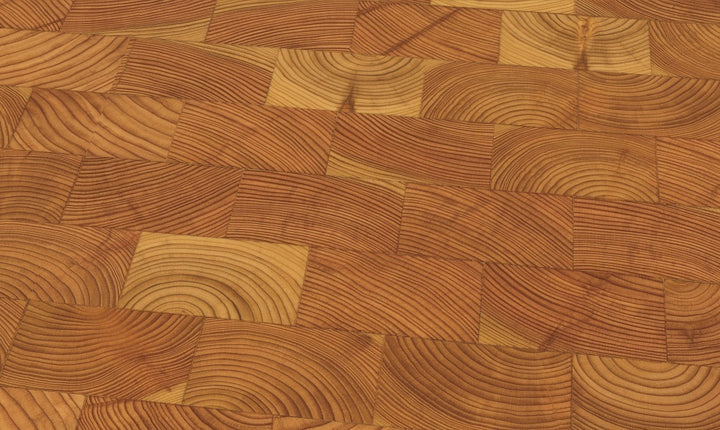
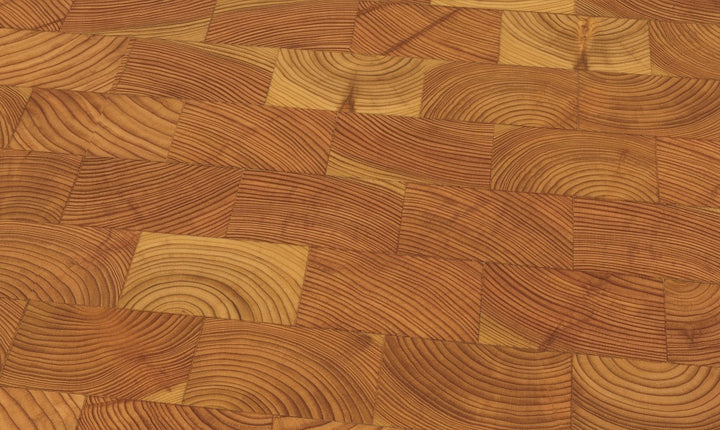
Wood block paving and end-grain wood consciously bring the end face of the wood to the surface. This creates a unique floor appearance with visible growth rings, short wood fibers, and a particularly solid, artisanal aesthetic.
Overview: All solid parquet For installation, finishing, and maintenance:
Adhesives | Skirting boards | Wood floor oil | Parquet sealant | Care products
Advantages of wood block paving and end-grain wood
-
High durability
The vertical wood fiber ensures a resilient floor surface – ideal if you are looking for a solid floor for high-traffic areas. -
Genuine solid wood
Wood block paving and end-grain wood are made entirely of wood and offer substance for future sanding and new surface treatments. -
Distinctive wood structure
The visible end face displays growth rings and fiber patterns particularly clearly. This results in a unique, material-focused floor. -
Many areas of application
Depending on the wood species, thickness, and format, the floor is suitable for demanding living spaces, work areas, or particularly robust project surfaces. -
Individual surface
The raw surface can be oiled or sealed after installation to suit your needs.
Wood species, grade, and area of application
Whether naturally calm, rustic, or particularly resilient – for wood block paving and end-grain wood, the impact of the floor is primarily determined by the wood species, grade, thickness, and format. The visible end-grain surface shows growth rings, fiber patterns, and material character particularly clearly.
Choosing wood block paving and end-grain wood by species
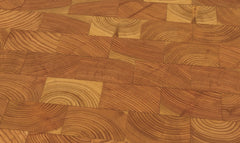
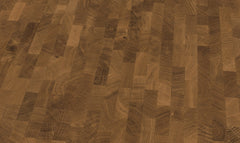
The wood species defines the color, hardness, and expression of the floor. Oak appears classic and robust; smoked oak is darker and more striking. Pine and larch bring a warm, natural aesthetic.
Light & natural Dark & striking
Choosing wood block paving and end-grain wood by grade
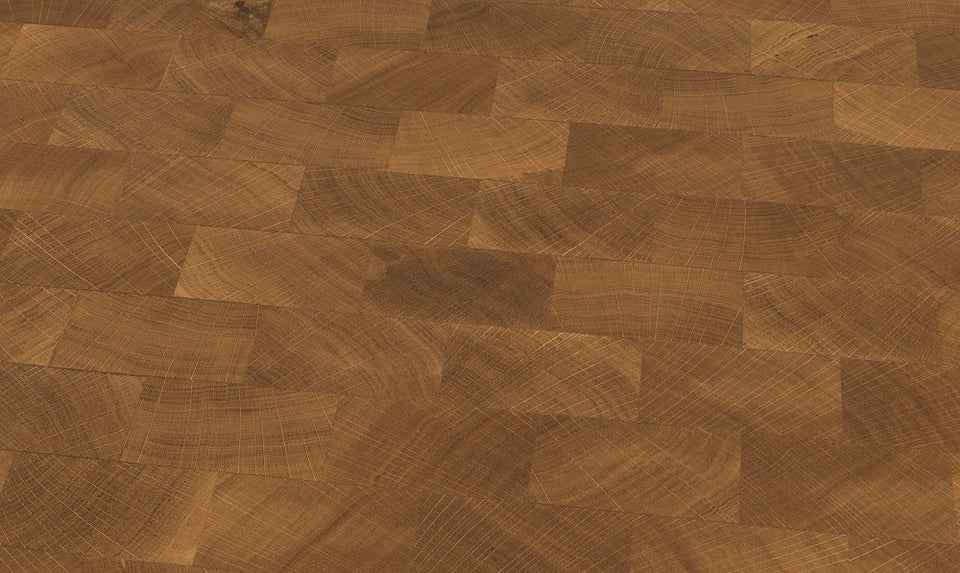
The grade determines how calm or lively the surface appears. More uniform grades are suitable for cleaner room concepts, while more striking grades show more color variation, structure, and natural features.
Thickness, format, and usage
When choosing, pay particular attention to thickness and format. Depending on the version, various thicknesses from 10 mm to 60 mm are available. Depending on the design, different block dimensions are available: smaller formats like 20 x 60 mm appear denser and more lively, while larger formats like 45 x 75 mm or 58 x 90 mm appear calmer and more spacious. The thickness influences the installation height, substance, and potential for future refinishing.
End-grain & surface treatment
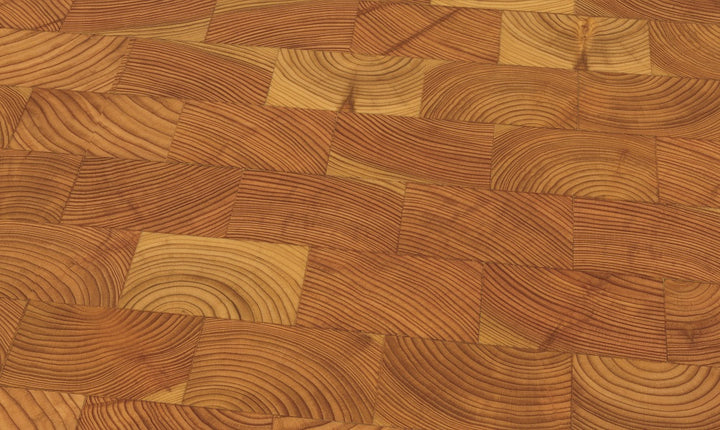
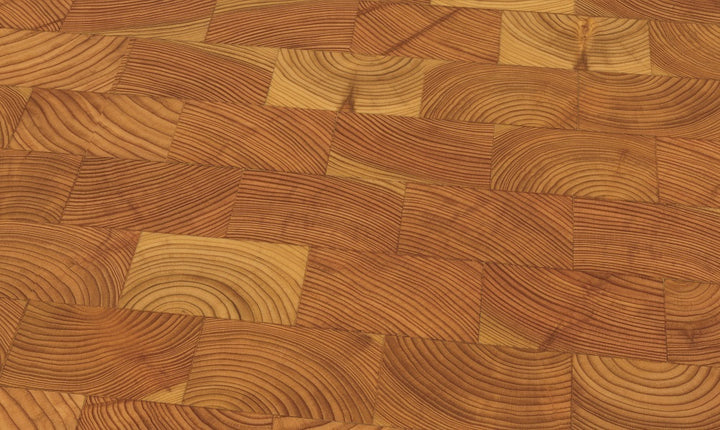
With wood block paving and end-grain wood, the end face of the wood faces upward. This creates not a classic long-grain parquet look, but a compact surface with visible growth rings, fiber ends, and a striking end-grain structure.
The surface is raw and is sanded after installation. You can then oil or seal the floor to suit its usage. Oil emphasizes the natural wood structure and provides a warm, matte effect. A sealant forms a closed protective layer and is useful if a higher degree of surface protection and maintenance tailored to a sealed surface is desired.
Tip: Coordinate the wood block paving and end-grain wood early on regarding usage, format, thickness, and surface. These floors are not suitable for underfloor heating. If you are planning a wood floor over hot-water underfloor heating, it is better to check suitable alternatives such as solid strip parquet or mosaic parquet.
